

Parents often feel overwhelmed when picking gear for their little ones. Yet, choosing the right baby carrier can transform daily life. It keeps your baby close while you handle tasks. This guide helps you learn How to Choose a Baby Carrier. We focus on key factors and spotlight the MOMTORY 6-in-1 model.
First, consider the benefits. Studies show babywearing boosts bonding. For instance, research from the American Academy of Pediatrics notes that carried babies cry 43 percent less. Additionally, a 2022 study in the Journal of Perinatal and Neonatal Nursing found improved attachment and reduced maternal stress. These stats highlight why carriers matter. Now, let’s explore how to select one that fits your needs.
Understanding Baby Carriers and Their Benefits
Baby carriers come in various styles. They allow hands-free movement. Moreover, they promote closeness between parent and child. This connection supports emotional growth. For example, when you carry your baby, you respond quicker to their cues.
Furthermore, carriers aid physical development. Experts emphasize proper hip positioning. The International Hip Dysplasia Institute stresses the M shape for legs. This setup prevents joint issues. In fact, hip-healthy carriers reduce dysplasia risks.
Besides, babywearing helps with daily routines. You can shop or walk easily. Parents report less fatigue too. A survey from ResearchGate in 2022 showed 97 percent use carriers for multitasking. Another 87 percent noted stronger bonds. These perks make carriers essential.
However, not all carriers suit every family. You must match them to your lifestyle. For instance, active parents need durable options. Meanwhile, new moms might prefer lightweight designs. Overall, understanding benefits guides your choice.
Key Factors to Consider When Choosing a Baby Carrier
Start with your baby’s age and weight. Newborns need snug support. Older infants require room to move. Check the carrier’s range. Most handle from 7 to 45 pounds. Yet, some extend further.
Next, think about comfort for both. Padded straps distribute weight evenly. Wide waistbands ease back strain. Breathable fabrics keep everyone cool. For example, cotton materials wick away moisture.
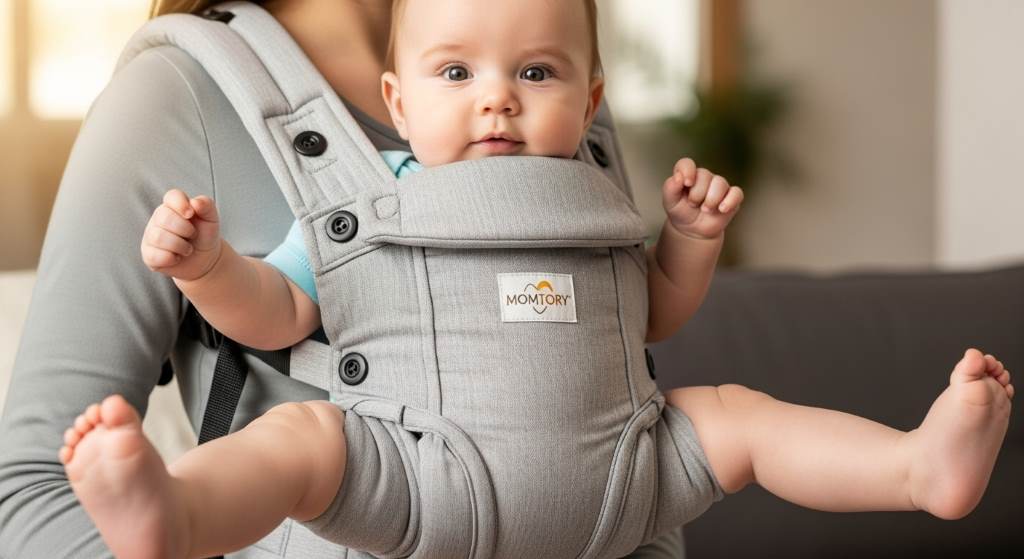
Additionally, adjustability matters. Straps should fit different body sizes. This ensures a secure hold. Parents of various heights benefit from this. Moreover, easy buckles speed up use.
Safety features come first. Look for sturdy buckles and reinforced seams. The carrier must hold your baby firmly. Also, ensure clear airways. Experts advise keeping the face visible.
Finally, consider versatility. Multiple positions adapt to growth. Front, back, and hip carries offer options. This flexibility extends the carrier’s life. In turn, you get more value.
Types of Baby Carriers: Which One Fits Your Needs?
Wrap carriers provide a custom fit. You tie fabric around your body. This style suits newborns well. It molds to your shape. However, learning the ties takes practice.
Ring slings offer quick adjustments. A ring secures the fabric. You slip it over one shoulder. This works for short trips. Yet, weight shifts to one side. So, alternate shoulders.
Soft-structured carriers use buckles. They resemble backpacks. Padded panels support the baby. These are popular for longer wear. For instance, they handle errands easily.
Mei tai carriers blend wraps and structures. Straps tie at the waist and shoulders. They provide good support. Asian traditions inspire them. Additionally, they fold compactly.
Backpack carriers suit older babies. They position the child high. This frees your arms. Hikers favor them. But, ensure strong frames for safety.
Each type has pros. Match them to your activities. For example, urban parents might choose slings. Outdoor enthusiasts prefer backpacks. Ultimately, test a few.
Safety Guidelines for Using Baby Carriers
Always follow the TICKS rule. Tight fit keeps the baby secure. In view at all times allows monitoring. Close enough to kiss ensures proximity. Keep chin off chest prevents airway issues. Supported back maintains posture.
Moreover, check for wear regularly. Inspect seams and buckles. Replace if damaged. This prevents accidents.
Position legs properly. Knees should sit higher than bottom. This M shape aids hip health. The IHDI approves such designs.
For newborns, face them inward. This protects their neck. As they grow, outward facing works. But, limit time to avoid overstimulation.
In hot weather, dress lightly. Monitor for overheating. Hydrate both of you. Additionally, avoid cooking while wearing.
Experts from HealthyChildren.org stress these tips. They reduce risks. So, prioritize safety always.
Ergonomics in Baby Carriers: Why It Matters
Ergonomics ensures comfort over time. Proper design aligns spines. This reduces strain on your back.
For the baby, ergonomic seats support natural curves. Wide bases spread weight. This promotes healthy growth.
Parents benefit too. Even distribution lessens shoulder pain. Studies show ergonomic carriers cut fatigue by 20 percent.
Look for adjustable panels. They grow with your child. This maintains ergonomics.
The MOMTORY 6-in-1 excels here. Its design follows IHDI standards. More on that later.
Overall, ergonomics boosts enjoyment. You wear longer without discomfort.
Comfort Features That Make a Difference
Soft fabrics touch skin gently. Cotton blends breathe well. This suits all seasons.
Padded elements cushion pressure points. Shoulders and hips stay comfortable.
Storage pockets add convenience. Hold keys or phones. This keeps hands free.
Detachable bibs catch drools. They keep clothes clean.
Breathable meshes vent heat. Ideal for warm days.
These features enhance daily use. Parents appreciate them.
Adjustability and Fit for Different Body Types
One size rarely fits all. Adjustable straps accommodate heights.
Wide ranges suit petite to tall parents.
Quick pulls tighten fits. This secures the baby.
Test in stores. Walk around. Feel the balance.
Inclusive designs welcome all. This broadens appeal.
Versatility: Multiple Carrying Positions Explained
Front inward suits bonding. Baby hears your heartbeat.
Front outward lets them see the world. Start after neck control.
Back carry frees fronts. Good for chores.
Hip seat aids quick holds. Comfortable for short times.
Hybrids combine modes. Offer more options.
Versatile carriers adapt. They last longer.
Materials and Durability in Baby Carriers
Choose skin-friendly materials. Organic cotton avoids irritants.
Certifications ensure no chemicals.
Durable stitches withstand use.
Lightweight builds ease carrying.
Eco-friendly options appeal. They reduce impact.
Strong materials last years.
Ease of Use: Quick Setup and Adjustments
Simple buckles snap fast. No fumbling.
Intuitive designs help beginners.
Practice builds confidence.
Videos guide setups.
Easy use encourages wearing.
Baby Carrier Accessories That Enhance Experience
Sunshades protect from rays.
Rain covers keep dry.
Extenders fit larger bodies.
Bibs absorb messes.
Pockets organize essentials.
Accessories customize carriers.
Common Mistakes to Avoid When Choosing a Carrier
Ignoring weight limits risks safety.
Skipping trials leads to poor fits.
Overlooking ergonomics causes pain.
Choosing style over function disappoints.
Forgetting seasons affects comfort.
Avoid these for better choices.
How Baby Carriers Support Infant Development
Close contact calms babies. They cry less.
Movement stimulates senses. This aids learning.
Upright positions strengthen muscles.
Bonding builds trust. Secure attachments form.
Research backs these. For example, PubMed studies show behavioral gains.
Carriers foster growth.
Parental Benefits of Using Baby Carriers
Hands-free freedom boosts productivity.
Reduced crying lowers stress.
Physical closeness releases oxytocin. This lifts moods.
Multitasking becomes easy.
Surveys confirm benefits. 82 percent report less stress.
Carriers help parents.
Comparing Baby Carriers: What Sets Premium Models Apart
Premium carriers use better materials.
They offer more positions.
Ergonomics stand out.
Durability extends life.
Features like pockets add value.
Invest in quality.
Spotlight on the MOMTORY 6-in-1 Baby Carrier
The MOMTORY 6-in-1 stands out with versatility. It offers six positions. Parents switch easily between front inward, outward, back, hip, and hybrids.
Moreover, its detachable hip seat reduces strain. You carry longer without fatigue.
Adjustable straps fit most bodies. Shoulder pads cushion loads.
The supportive waistband distributes weight. This eases back pressure.
Breathable cotton keeps cool. It’s skin-friendly and eco-certified.
Storage pockets hold essentials. A drool bib detaches for cleaning.
Lightweight design folds small. Perfect for travel.
These features make it unique.
Ergonomic Design of the MOMTORY 6-in-1
The M position promotes hip health. IHDI recognizes it.
A soft core protects tummies. This minimizes pressure.
Panels support spines naturally.
Parents feel balanced. Weight spreads evenly.
This design prevents issues.
Studies confirm ergonomic benefits.
Safety Features in the MOMTORY 6-in-1
Sturdy buckles secure holds.
Reinforced seams add strength.
Clear views ensure monitoring.
No harmful chemicals certify safety.
These elements protect.
Comfort for Baby and Parent in the MOMTORY 6-in-1
Soft fabrics cradle gently.
Padded areas reduce chafing.
Breathability suits seasons.
Parents appreciate even loads.
Babies stay snug.
Versatility That Grows with Your Baby
From newborn to toddler, it adapts.
Positions change with stages.
Hybrids offer flexibility.
This extends usability.
Unique Selling Points of the MOMTORY 6-in-1
Detachable seat stands alone. Quick rests help.
Eco materials appeal green parents.
Functional add-ons enhance use.
It combines style and function.
Real-Life Stories: Parents Share Experiences with Baby Carriers
One mom shared her routine. She uses a carrier for walks. Her baby sleeps soundly.
Another dad multitasks at home. He cooks while carrying.
A family travels light. Their foldable carrier fits bags.
These stories show practical value.
Expert Tips for Babywearing Success
Start slow. Practice at home.
Join groups for advice.
Watch tutorials.
Listen to your body.
Adjust as needed.
Experts guide better experiences.
Seasonal Considerations for Baby Carriers
Summer needs breathable meshes.
Winter calls for layers.
All-season fabrics adapt.
Monitor temperatures.
Choose accordingly.
Baby Carriers for Special Needs
Some support preemies carefully.
Others aid reflux babies.
Consult doctors.
Special designs help.
Integrating Baby Carriers into Daily Routines
Wear for errands.
Use during chores.
Bond while walking.
It simplifies life.
Future Trends in Baby Carrier Design
Tech integrates monitors.
Sustainable materials rise.
Custom fits emerge.
Innovation continues.
Conclusion
Choosing a baby carrier involves comfort, safety, and versatility. Consider types, ergonomics, and fit. The MOMTORY 6-in-1 shines with its six positions, ergonomic design, and practical features. It supports development and eases parenting.
Now, pick one that suits you. Visit the link in the introduction to explore the MOMTORY 6-in-1. Start babywearing today for stronger bonds.
FAQs
What age can I start using a baby carrier?
You can start from birth with proper support. Ensure head and neck stability. Follow weight guidelines.
How long can I carry my baby each day?
Limit to two hours at a time. Take breaks. Watch for discomfort signs.
Are baby carriers safe for hips?
Yes, if ergonomic. Look for IHDI approval. Proper positioning helps.
Can dads use baby carriers comfortably?
Absolutely. Adjustable designs fit all. They promote bonding too.
How do I clean a baby carrier?
Spot clean stains. Machine wash if allowed. Air dry. Check instructions.
References