

You are standing in the sun, sweating through a regular cotton tee, and you can already feel that familiar sting on your shoulders. You know sunscreen wears off, but you are tired of reapplying. You have heard that a UV shirt can help, but every brand claims to be the best. How do you actually compare UV shirts without getting lost in marketing hype? The problem is that most shoppers focus on price or color and end up buying a shirt that either feels like plastic or loses its protection after a few washes. This guide will give you a clear, practical system to evaluate every aspect of a women’s UV shirt so you can buy with total confidence.
What Exactly Is a UPF Rating and Why Does It Matter?
A UPF rating measures how much ultraviolet radiation passes through a fabric. UPF 50 means the fabric blocks 98 percent of UV rays. That is the industry benchmark for excellent protection.
Many shirts claim to be “sun shirts” but do not have a verified rating. When you compare UV shirts, always look for a label that explicitly states UPF 50 or UPF 50+. Avoid shirts that say “sun protection” without a number. The rating should come from a standardized test, not just a brand’s marketing claim.
Why UPF 50 Is the Gold Standard
UPF 30 blocks about 96.7 percent of UV rays, which is decent, but UPF 50 gives you that extra layer of confidence during long exposure days. Surfing, hiking, or gardening all demand UPF 50 because you are exposed longer and you may sweat or get wet, which can reduce protection in lower-rated fabrics.
How Does Fabric Composition Affect UV Performance?
The fabric blend determines how well the shirt blocks rays, how comfortable it feels, and how long the protection lasts. Look for high-performance synthetic blends over cotton.
Nylon and polyester are the best base materials for UV protection. They have a tight weave that naturally blocks more light. Cotton offers very little protection when wet because the fibers swell and let more UV through. Spandex or elastane is added for stretch, but too much can reduce breathability.
- Nylon: Excellent durability, dries fast, high UPF retention after washing
- Polyester: Lightweight, good wicking, less durable than nylon over time
- Cotton: Low protection when dry, nearly zero protection when wet
- Rayon/Bamboo: Comfortable but need special construction to achieve UPF 50
When you compare UV shirts, check the tag for at least 85 percent nylon or polyester. The remaining 15 percent can be spandex for mobility.
Which Fabric Weave Offers the Best Comfort and Protection?
Knit construction matters just as much as fiber type. A tight knit blocks more UV, but it can trap heat. A loose knit breathes better but may let in more light.
Look for a shirt with a jersey knit or a structured mesh that balances airflow and density. Flatlock seams reduce chafing when you are active. A brushed interior adds softness without sacrificing protection. Hold the shirt up to a bright light. If you see a lot of light passing through, the UPF rating may be inconsistent across the garment.
What About Stretch and Fit Impact on Protection?
A tight-fitting shirt stretches the fabric, which can reduce the UPF rating by thinning the weave. You want a shirt that fits close to the body but does not stretch the material to its limit. If you are between sizes, go up one size for activities like paddling or yoga were fabric tension increases.
How Do You Evaluate Moisture Management and Breathability?
A UV shirt that makes you overheat is a shirt you will take off. Moisture-wicking technology pulls sweat from your skin to the fabric surface where it can evaporate. This keeps you cooler and prevents the fabric from sticking.
Test the fabric by holding it under a faucet for a few seconds. Squeeze it. Does it hold water or does the water bead and run off? A hydrophobic fabric dries quickly and feels lighter when wet. A hydrophilic fabric holds moisture and becomes heavy and cold, which defeats the purpose of sun protection.
Ventilation features are the real game changer:
- Mesh panels under the arms or down the sides
- Back panel vents for airflow while wearing a backpack
- Drop-tail hem for coverage when bending or reaching
These details separate a mediocre shirt from one you will actually wear on hot days. When you compare UV shirts, prioritize ventilation if you live in a humid climate or plan to be active.
Which Features Should You Look for in a Womens-Specific UV Shirt?
Women’s UV shirts are not just smaller versions of men’s shirts. They account for different body shapes, sun exposure patterns, and style preferences.
Look for a shirt designed with higher necklines or a built-in collar that protects the chest and neck area. Those areas are often overlooked by women who wear V-neck tops. A thumb loop at the cuff keeps sleeves from riding up, protecting the back of your hands. A longer torso length prevents the shirt from pulling out of your waistband.
Hood vs. No Hood: Which Is Better for You?
A hood adds significant protection for your neck and ears, which are common places for sun damage. Some hoods are detachable, which gives you flexibility. Others are integrated with a ponytail opening, which is a small but meaningful detail for women with long hair. If you spend a lot of time on the water, a hood helps when the sun reflection is strongest.
How Does Color Affect UV Protection in a Sun Shirt?
Darker colors absorb more UV radiation, preventing it from reaching your skin. Lighter colors reflect heat but can let more UV penetrate the fabric if the weave is not tight enough.
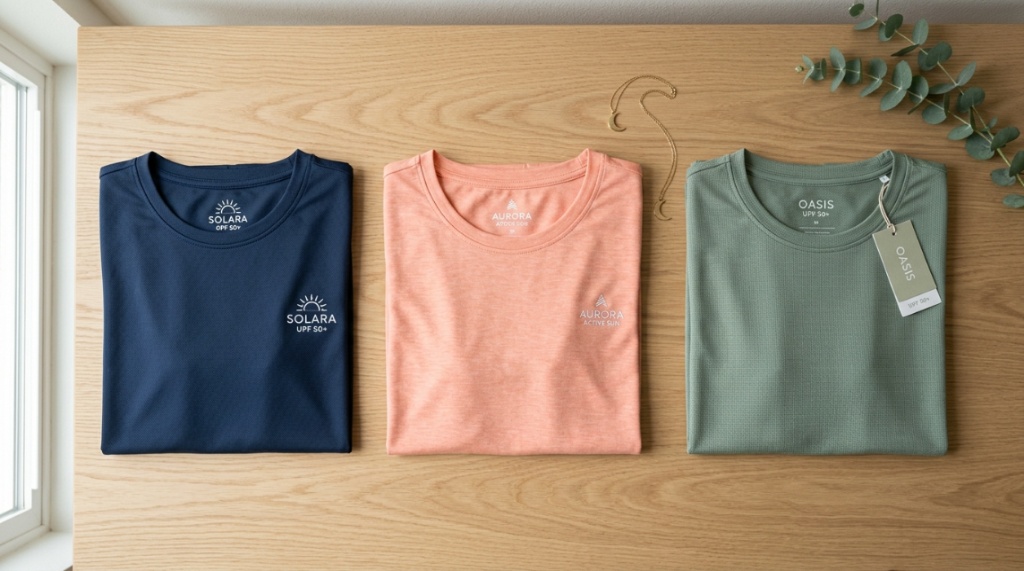
Dark blue, black, and deep green offer the highest UV absorption. Bright colors like neon pink or orange also perform well because the dyes have high UV absorption capability. Pastels and whites require a denser weave to achieve the same protection level.
If you prefer light colors for heat management, stick with white or light gray in a UPF 50 fabric from a reputable brand. Avoid sheer or semi-transparent light colors, no matter what the label says.
What Is the Proper Way to Care for a UV Shirt to Maintain Protection?
Even the best UV shirt will degrade if you wash it poorly. Chlorine, saltwater, fabric softeners, and bleach can all break down the UV-blocking technology.
Here is the step-by-step care routine that maximizes the lifespan of your UV protection:
- Rinse the shirt in cold water immediately after swimming in salt or chlorinated water
- Hand wash with mild detergent or use a gentle machine cycle
- Never use fabric softener or dryer sheets, they coat the fibers and reduce breathability
- Air dry the shirt flat out of direct sunlight
- Avoid wringing or twisting the fabric, which can distort the weave
With proper care, a quality UV shirt should maintain its UPF 50 rating for about two to three years of regular use. If you notice the fabric becoming thin, stretched out, or pilled, replace it.
How Do You Balance Price and Quality When Choosing a UV Shirt?
You can find decent women’s UV shirts starting around $25, but premium options can exceed $80. The price difference usually reflects fabric quality, durability, and feature set.
A more expensive shirt might use a proprietary yarn that resists pilling and fading. It may have bonded seams instead of stitched seams, which last longer. It might include anti-odor technology using silver ions. These features matter if you wear the shirt multiple times per week.
For occasional use like a beach vacation or a weekend hike, a budget-friendly shirt with verified UPF 50 and basic features will serve you well. For regular wear, invest in a shirt with thicker fabric, reinforced stitching, and better ventilation.
If you want to compare UV shirts side by side, look at the care instructions and warranty information. A brand that offers a satisfaction guarantee or a warranty on UPF performance is more likely to stand behind its product quality.
Can You Trust Third-Party Testing and Certification Labels?
Some brands self-certify their UPF ratings, which means the testing may not be rigorous. Independent certification from organizations like the Skin Cancer Foundation or UL (Underwriters Laboratories) gives you more confidence.
Look for a tag that says “UPF 50+ tested according to AS/NZS 4399” or “ASTM D6603.” These are recognized standards. Avoid brands that only use vague terms like “sun block fabric” without citing a specific standard.
If a product page does not clearly state how the UPF was measured, contact the brand before buying. Reputable companies are transparent about their testing process.
How Does Fit Affect Protection During Different Activities?
A shirt that fits perfectly for standing still might fail you during movement. Think about your primary activity.
For paddling or cycling, a slightly looser fit allows more airflow and prevents the fabric from sticking. For running or hiking, a close fit reduces drag and prevents the shirt from flapping. For swimming, the shirt should be snug but not restrictive, because water resistance adds drag if the fabric is too loose.
Check for movement testing. Raise your arms above your head. Does the hem ride up dangerously close to your waist? Does the sleeve cuff pull back toward your elbow? If you see skin, consider a different cut or size.
When Should You Replace Your Current UV Shirt?
UV protection is not permanent. Fabric degrades from UV exposure, abrasion, and washing. Replacement timing depends on usage frequency.
If you wear your shirt weekly during summer, replace it every two years. If you wear it daily for water sports, replace it every year. Signs of wear include fading, thinning fabric, stretched-out cuffs or hem, and any holes or snags. If the shirt smells musty after washing and the odor does not fade, bacteria has set into the fibers and the fabric structure is compromised.
What Is the Single Most Important Factor When Comparing UV Shirts?
Verified third-party UPF 50+ certification is non-negotiable. Without it, all other features are secondary. A shirt can have perfect fit, great color, and excellent moisture wicking, but if the UV protection is unverified or lower than claimed, none of it matters.
Once you have confirmed the UPF rating, prioritize comfort features that match your specific activity. A runner will value breathability and thumb loops. A beach goer will value quick drying and a hood. A hiker will value odor resistance and a drop tail. Let your activity drive your second-tier decisions.
When you are out on open water, the sun’s rays reflect off the surface, doubling your UV exposure. That is why a high-quality UPF shirt is mandatory gear for water sports. If you are prepping your gear for a summer on the water, check out our guide on How to Buy Your First Inflatable Paddle Board to ensure you get the right board to match your sun-safe apparel.
Frequently Asked Questions
Can I wear a UV shirt in the water?
Yes, most women’s UV shirts are designed for water use. Fabric type matters. Nylon-based shirts perform best in water because they dry quickly and maintain their shape. Polyester shirts may feel heavier when wet.
Do UV shirts block all UV rays?
No shirt blocks 100 percent of UV rays. UPF 50 blocks 98 percent, which is considered excellent protection. You should still apply sunscreen to exposed areas like your face, hands, and feet.
Is a black UV shirt hotter than a white one?
Black absorbs more heat from sunlight, so it can feel warmer on the skin. However, the difference is minimal if the fabric has good moisture-wicking and ventilation features. Choose color based on your heat tolerance and local climate.
Can I wear sunscreen under my UV shirt?
Yes, but it is usually unnecessary if the shirt provides full coverage. If you have very sensitive skin or a history of skin cancer, you can apply sunscreen under the shirt for extra protection. Let the sunscreen dry fully before putting on the shirt to avoid staining.
How tight should a UV shirt fit?
The shirt should fit close to your body without stretching the fabric to its limit. If the fabric is taut, the weave pulls apart slightly, which can reduce UPF effectiveness. Skin should not show through the fabric when you move.
Do UV shirts expire even if I never wear them?
UV shirts can degrade from exposure to light and humidity even in storage. Store your shirt in a cool, dark drawer. If you notice a plasticky smell or stiff feel when you take it out, test it using a UV measuring card or consider replacing it.
Can children wear women’s UV shirts?
Women’s UV shirts are cut for adult female proportions. Children will likely have poor fit in the shoulders and torso. Look for youth-specific UV shirts that offer the same UPF 50 protection but with appropriate sizing.
Conclusion
Comparing women’s UV shirts does not need to be overwhelming. Start with verified UPF 50+ certification, then evaluate fabric composition, breathability, and fit for your specific activity. Remember that dark colors and tight weaves offer the best protection, and proper care will extend the life of your shirt. The best UV shirt is the one you actually wear every time you go outside. Use the checklist in this guide to filter out the noise and find a shirt that protects your skin, keeps you comfortable, and fits your lifestyle without waste. Take that first step today and look for a shirt that meets every standard we discussed.