
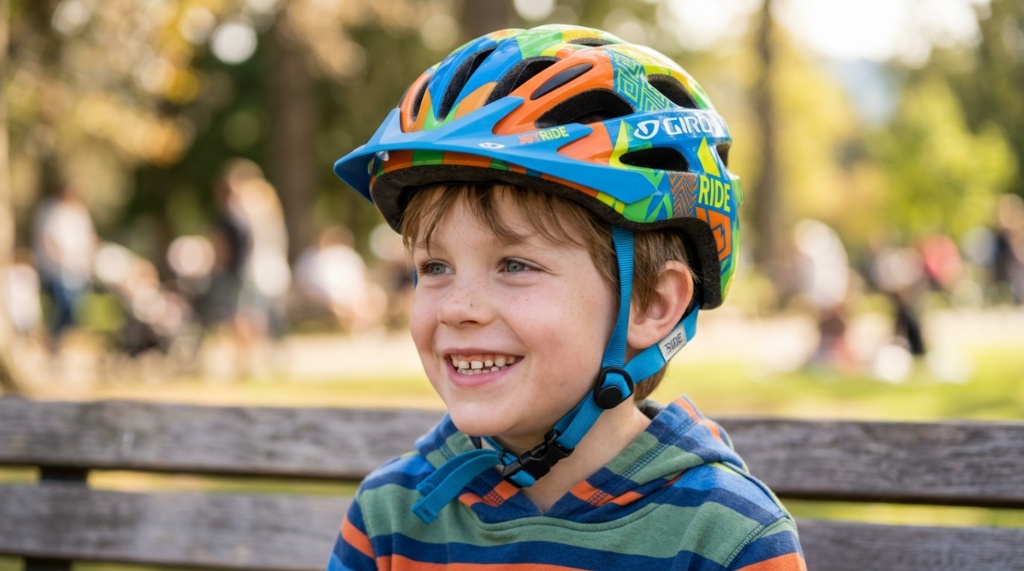
You have to watch your six-year-old fly down the sidewalk on their new scooter, and that moment of pure joy is mixed with a knot of anxiety in your stomach. The scooter was cheap, the knee pads were on clearance, and now you need a helmet.
But here’s the honest truth: the cheap bucket helmets on that online marketplace scare you. You want to save money, but you can’t afford to gamble with your child’s brain. The good news? You don’t have to choose between your wallet and your child’s safety. Finding a budget kids helmet safety solution is about knowing what protections are non-negotiable and where you can cut corners on cost.
What Is a Budget Kids Helmet, and How Is It Different From a Cheap One?
A budget kids helmet is a product that meets all required safety certifications while selling at an accessible price point, often between $15 and $35. A cheap helmet, however, is usually an uncertified product with thin foam and flimsy straps that offers no real protection in a crash.
The difference comes down to materials and testing. Budget helmets spend less on fancy colors, aerodynamic shapes, or premium padding, but they still use EPS foam and a sturdy shell. Cheap helmets skip the EPS foam entirely, using soft foam that crushes on impact. If a helmet doesn’t have a certification sticker inside, it is not a budget helmet. It is a hazard.
You can spot a true budget helmet by its weight. Real safety gear has density. If the helmet feels like a hollow piece of plastic, walk away. A genuine budget helmet will feel solid, even if it lacks the premium branding of a $60 model.
Why Is Finding an Affordable Yet Safe Kids Helmet So Difficult?
The difficulty comes from confusing marketing claims and a flood of uncertified products on major e-commerce platforms. Many parents see a helmet that looks like a known brand for half the price and assume they found a deal.
The reality is that making a certified helmet costs money. Every helmet sold in the U.S. must pass CPSC testing, which involves dropping the helmet at specific speeds and angles. That testing costs manufacturers money. To sell a helmet at $12, a company has to cut corners somewhere. Usually, that means skipping testing, using inferior foam, or making straps that snap on the first pull.
Another issue is that kids grow fast. Parents hesitate to spend $50 on a helmet their child might outgrow in six months. This creates a market for extremely cheap helmets that look like the real thing but aren’t. The trick is recognizing that spending $25 on a certified helmet is cheaper than an emergency room visit.
Which Safety Certifications Must a Kids Helmet Have?
A safe kids helmet must have at least one of these three certifications: CPSC, ASTM F1492, or Snell B90A. If you see any of these labels inside the helmet, you have a product that has passed impact tests.
CPSC is the baseline standard in the United States. It covers general bike riding, skateboarding, and scooters. ASTM F1492 applies specifically to skateboarding and trick riding. Snell is a higher voluntary standard that is harder to pass but offers more protection. For most kids doing everyday riding, CPSC is sufficient.
Never trust a helmet that says “suitable for” or “recommended for” without a certification sticker. Those words mean nothing. Flip the helmet over, look inside the shell, and read the label. If no certification is printed, the helmet is not safe. Period.
Multi-Sport Certification vs. Single-Use Helmets
Multi-sport helmets are ideal for budget-conscious parents because they cover bike riding, skateboarding, and scootering with one certification. A bike-only helmet works fine for cycling but may not hold up to multiple impacts. Look for a helmet that lists CPSC and ASTM F1492 on the same sticker.
How Can You Tell If a Budget Helmet Fits Correctly?
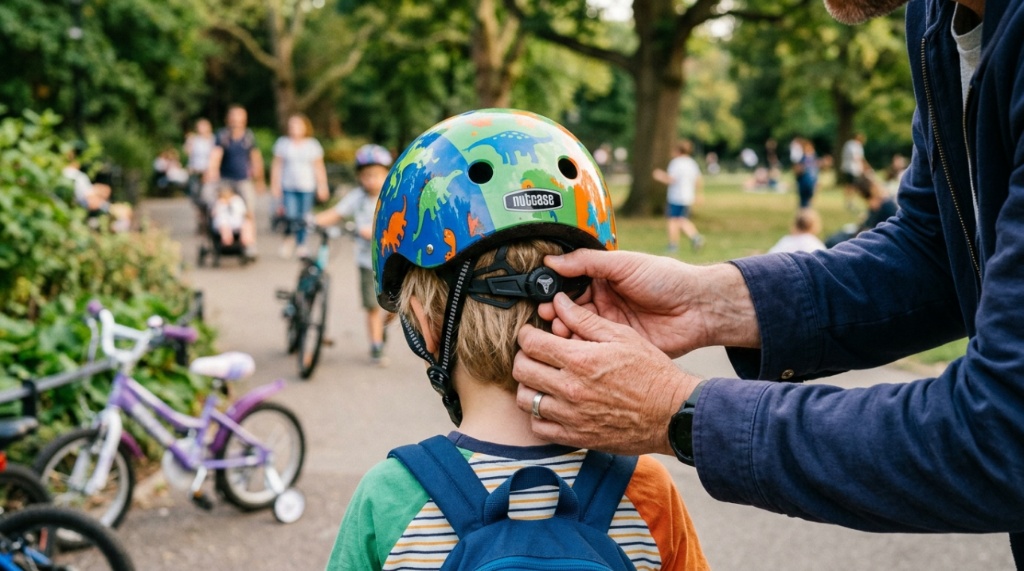
A helmet cannot protect your child if it wobbles, slides sideways, or sits too high on the forehead. Fit is as critical as certification. A properly fitted helmet sits level on the head, about one to two finger widths above the eyebrows, and the straps form a V shape under the ears.
When you buy a budget helmet, the adjustment mechanism might feel flimsy compared to premium models. That is fine as long as it locks into place. Test the fit by having your child shake their head vigorously. If the helmet shifts more than an inch, adjust the fit dial or straps. If it still moves, the helmet does not fit.
Many parents make the mistake of buying a helmet their child can “grow into.” Do not do this. A loose helmet shifts during a crash and exposes the head to impact. Buy a helmet that fits now. Children will need a new helmet every couple of years as their head circumference grows.
Measuring Head Size for a Budget Helmet
Use a flexible measuring tape or a string and ruler. Measure around the widest part of the head, just above the eyebrows and ears. Compare that measurement to the helmet size chart. Budget brands often use one-size-fits-most designs with an adjustable dial, which is convenient but still requires a proper initial measurement.
Can a Helmet Under $20 Be Safe for My Child?
Yes, a helmet under $20 can be safe, but only if it carries a CPSC certification sticker inside. Many reputable brands have entry-level models that retail for $15 to $20 without sacrificing core safety features.
The catch is that helmets in this price range usually have fewer comfort features. The padding may be thinner. The straps might feel rougher. The fit dial could feel less smooth. But the EPS foam is the same density used in expensive models. The shell material is typically polycarbonate or ABS plastic, which provides adequate impact resistance.
What you lose in this price range is ventilation and weight. Budget helmets often have fewer vents, which means your child will get hotter. They also tend to be heavier, which can cause neck fatigue on long rides. If your child tolerates the weight and you check the fit regularly, a $15 CPSC-certified helmet is vastly safer than no helmet at all.
What Features Can You Sacrifice to Save Money?
You can sacrifice comfort features like plush padding, magnetic buckles, and aerodynamic venting without sacrificing safety. These are nice-to-haves, not need-to-haves.
Magnetic buckles are a huge convenience for parents with young children, but they add $10 to $15 to the price. A standard clip buckle works exactly the same way for safety. Similarly, thick, removable padding is comfortable for sweaty heads, but basic foam padding still keeps the helmet in place during a crash.
Do not sacrifice the following:
- EPS foam thickness
- Secure chin strap
- Fit adjustment dial
- CPSC certification
If a budget helmet has a loose fit dial that doesn’t lock, skip it. If the chin strap feels like it will tear under pressure, skip it. But if the helmet is simply less luxurious, it is fine.
Where Should You Buy a Budget Kids Helmet?
Buy from a retailer with a physical presence or a major online store with a clear return policy. Big box stores like Walmart and Target carry certified helmets in the $15 to $25 range. Online, Amazon and specialty skate shops often have sales on previous year’s models.
Avoid buying from discount websites, auction sites, or liquidation stores. These sources often sell counterfeit products or helmets that failed quality control. If the price is too good to be true, it is likely a fake. A real CPSC-certified helmet requires manufacturing costs that make a $5 price tag impossible without cutting corners.
Checking Authenticity of Certifications
Some counterfeit helmets print fake CPSC labels. Look for a label that includes the manufacturer’s name, model number, and date of manufacture. If the label is blurry, misspelled, or missing information, the helmet is counterfeit. When in doubt, buy directly from the brand’s official store on Amazon or from a brick-and-mortar shop.
How Often Should a Budget Kids Helmet Be Replaced?
Replace a kids helmet every three to five years from the date of manufacture, or immediately after any significant impact. Budget helmets degrade faster than premium models because the materials are less resistant to UV light and temperature changes.
Check the manufacture date on the certification label inside the helmet. If you find a discounted helmet that is already two years old, you are getting less usable lifespan. That doesn’t make it unsafe, but you should factor that into the cost. A $15 helmet with only one year of usable life is not as good a deal as a $25 helmet with four years of life.
After any crash where the child’s head hits the ground or a hard object, replace the helmet immediately. EPS foam compresses on impact and does not spring back. Even if the helmet looks fine, its protective capability is gone. Budget helmets are disposable by design. Consider it a cheap insurance policy.
Which Type of Helmet Works Best for Multi-Sport Use?
A multi-sport helmet that meets both CPSC and ASTM F1492 standards is the best choice for a child who rides bikes, scooters, and skateboards. This single purchase covers all their activities and saves money compared to buying separate helmets.
Multi-sport helmets are designed to handle both single-impact crashes (bike falls) and multiple low-speed impacts (skateboarding tricks). They have a rounder shape that covers the back of the head more fully. Bike-only helmets are often elongated and may leave the back of the skull exposed during a skateboarding fall.
Look for a budget multi-sport helmet that has a hard outer shell and an EPS liner. Avoid helmets that claim to be “ultra-light” or “flexible” in the shell. A flexible shell is usually a sign of cheap plastic that won’t absorb impact properly.
Why Do Some Budget Helmets Feel Hotter Than Others?
Budget helmets have fewer vents because drilling holes in the shell adds manufacturing cost. Fewer vents mean less airflow, which makes the helmet hotter to wear, especially during summer months.
This is an area where you may need to make a compromise. A helmet with zero vents will trap heat and cause your child to complain constantly. A helmet with four to six vents provides adequate airflow without significantly raising the price. If you live in a hot climate, paying $5 more for a helmet with six vents instead of two is worth the investment.
You can also help by letting your child wear a thin sweat-wicking beanie under the helmet in cold weather or by rinsing the helmet with cool water before use in summer heat. Never modify the helmet by drilling extra holes, as that destroys its structural integrity.
What Is the Best Way to Test a Budget Helmet Before Buying?
The best pre-purchase test is to inspect the helmet in person at a local store. Squeeze the foam lining. It should feel firm, not soft like cushion foam. Squeeze the outer shell. It should not flex or bend easily. Shake the helmet vigorously. The fit dial should stay locked in position.
If you are buying online, read verified reviews that mention the fit and feel. Look for phrases like “runs small,” “straps are short,” or “fit dial works well.” Pay attention to reviews from parents who mention their child’s head measurement. This gives you a realistic idea of sizing.
Once the helmet arrives, do the “eye test.” Place the helmet on your child’s head without fastening the straps. The front edge should sit no more than two finger widths above the eyebrows. If you can see the child’s eyebrows, the helmet is sitting too high. If the helmet tilts back easily, it does not fit.
Frequently Asked Questions
Is it safe to buy a used kids helmet from a thrift store?
No. Used helmets may have hidden damage from previous impacts that you cannot see with the naked eye. EPS foam compresses permanently on impact, and a used helmet offers reduced protection. Always buy new for kids.
Do expensive helmets protect better than budget helmets?
Not necessarily. Expensive helmets often have better ventilation, lighter weight, and more comfortable padding, but the core impact protection from EPS foam is similar when both are CPSC certified. Safety comes from certification, not price.
Can my child wear a bike helmet for skateboarding?
Yes, if the helmet meets CPSC standards. However, a multi-sport helmet that also meets ASTM F1492 is better for skateboarding because it covers more of the back of the head and can withstand multiple impacts.
How tight should a helmet strap be?
The strap should be snug enough that you can fit only one finger between the strap and your child’s chin. If you can fit two fingers, the strap is too loose. The V of the straps should sit just below the ears.
What does CPSC stand for on a helmet?
CPSC stands for Consumer Product Safety Commission. It is the federal agency that sets the minimum safety standard for bicycle helmets sold in the United States. Any helmet sold as a bike helmet must pass CPSC testing.
Can a toddler wear a youth-sized helmet?
Only if the helmet fits properly. Toddler helmets are designed for smaller head circumferences, typically 18 to 20 inches. If a youth helmet is too large, it will shift during a fall and expose the head. Measure your child’s head and match the size chart exactly.
Is a $10 helmet from a discount store safe?
Only if it has a CPSC certification label inside. Most $10 helmets at discount stores lack certification and are made from low-quality foam. Check the label before buying. If there is no certification sticker, the helmet is not safe for use.
When budgeting for your child’s cycling gear, it is all about prioritizing where the money goes. You can easily cut costs on the bike itself by choosing a reliable rigid frame or a basic Suspension Mountain Bike Without Wasting your savings on unnecessary components. However, the one area where you should never cut corners is head protection.
Conclusion
Finding a budget kids helmet that keeps your child safe is absolutely possible, but it requires you to be a smart shopper. Ignore the flashy colors and focus on the certification sticker. Measure your child’s head accurately. Test the fit before every ride. Replace the helmet after any crash or every few years. You don’t need to spend $60 to protect your child’s head. You need a helmet that fits, stays put, and passed the same CPSC tests as the expensive models. Skip the corner-cutting “deal” helmets that lack certification. Spend the $20 to $30 on a real, tested product from a known brand. Your child’s safety is not an area to bargain hunt. But with the right knowledge, you can absolutely find a helmet that protects without breaking your budget.