

The world around us is awash in data. Every click, swipe, purchase, and social media interaction generates a digital footprint. This seemingly endless stream of information holds immense power, and the field of data science is the key to unlocking it. But how exactly is data science shaping our world, and what impact does it have on our daily lives?
This article delves into the fascinating world of data science, exploring its core principles, applications, and the profound influence it exerts on various aspects of our lives.
Unveiling the Powerhouse: What is Data Science?
Data science isn’t simply about collecting data. It’s a multifaceted field that encompasses the entire lifecycle of data, from collection and cleaning to analysis and interpretation. Data scientists are the alchemists of the digital age, transforming raw data into actionable insights that drive decision-making across industries.
Here’s a breakdown of the key components of data science:
- Data Collection: Data is gathered from various sources, including sensors, social media platforms, customer transactions, and scientific instruments.
- Data Cleaning and Preprocessing: Raw data is often messy and incomplete. Data scientists clean and organize it to ensure accuracy and facilitate analysis.
- Data Analysis: Using statistical methods, machine learning algorithms, and data visualization tools, data scientists extract meaningful patterns and trends from the data.
- Data Communication: The insights gleaned from data analysis are communicated effectively, often through storytelling and visualizations, to inform decisions and actions.
From Pixels to Predictions: Real-World Applications of Data Science
Data science has infiltrated virtually every aspect of our lives. Here are some prominent examples of its applications:
- Revolutionizing Healthcare: Data science analyzes medical records, imaging scans, and patient data to predict disease outbreaks, personalize treatment plans, and develop new life-saving drugs.
- Enhancing Security: By analyzing network traffic patterns and user behavior, data science helps identify and prevent cyber threats, ensuring online safety.
- Optimizing Business Operations: Businesses leverage data science to understand customer behavior, improve marketing strategies, optimize supply chains, and streamline operations for greater efficiency and profitability.
- Shaping the Future of Cities: Data analysis of traffic patterns, energy consumption, and environmental factors helps create “smart cities” with efficient infrastructure and sustainable practices.
- Personalizing Your Experience: From social media recommendations to curated news feeds and targeted advertising, data science personalizes your online experience based on your past interactions and preferences.
These are just a few examples, and the potential applications of data science are constantly expanding. As the volume and variety of data continue to grow, so too will its transformative impact on our world.
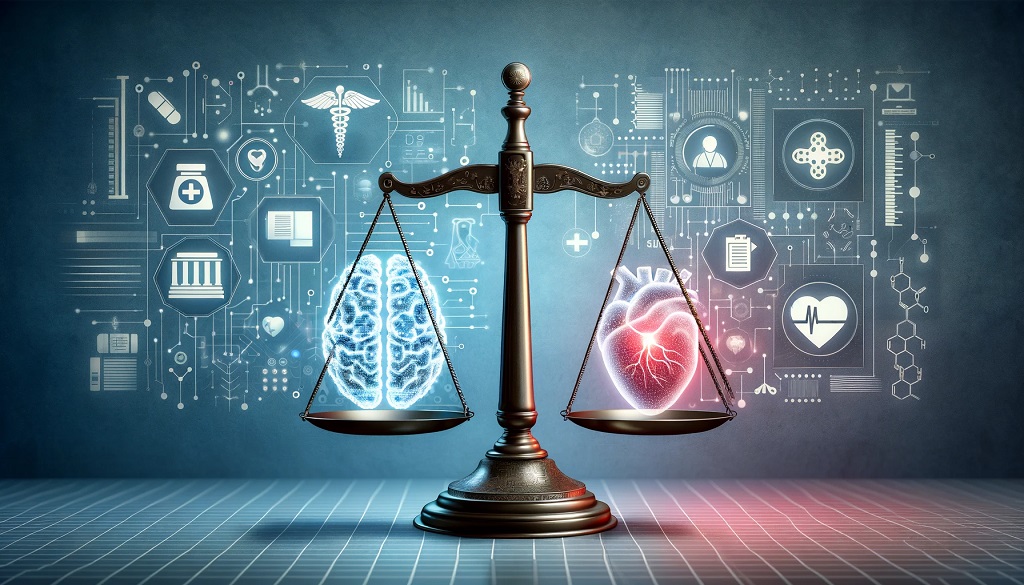
Beyond the Hype: Ethical Considerations in Data Science
While data science holds immense potential, ethical considerations are paramount. Here are some crucial aspects to consider:
- Data Privacy: Protecting user privacy is essential. Data collection and analysis must comply with data privacy regulations to prevent misuse and ensure individual information remains secure.
- Algorithmic Bias: Data science algorithms can perpetuate biases present in the data they are trained on. Mitigating algorithmic bias is crucial to ensure fair and equitable outcomes for all.
- Transparency and Explainability: Data science models can be complex. Understanding how models arrive at predictions fosters trust and transparency in the decision-making process.
By addressing these ethical challenges, data science can be a powerful tool for positive change in our world.
A Glimpse into the Future: The Evolving Landscape of Data Science
The future of data science is brimming with exciting possibilities. Here are some key trends on the horizon:
- Rise of Artificial Intelligence (AI): AI and machine learning are becoming increasingly intertwined with data science, leading to the development of more sophisticated data analysis tools and the ability to extract deeper insights from complex data sets.
- Focus on Real-Time Analytics: Traditional data analysis often involves historical data. The future lies in real-time data analysis, enabling companies and organizations to make more dynamic and data-driven decisions as situations evolve.
- The Democratization of Data Science: As tools and technologies become more accessible, data science skills will become increasingly valuable across all professions.
Related: Unveiling Complexity: Innovative Ways to Visualize Data
Conclusion: Data Science – A Force for Progress
Data science is more than just a technical discipline. It’s a powerful tool shaping the world we live in, from healthcare and business to security and the future of our cities. As we move forward, embracing the potential of data science while addressing its ethical implications will be crucial in ensuring its positive impact on our lives. Whether you’re a data enthusiast or simply curious about the world around you, understanding the fundamentals of data science empowers you to become a more informed and engaged citizen in the digital age.