
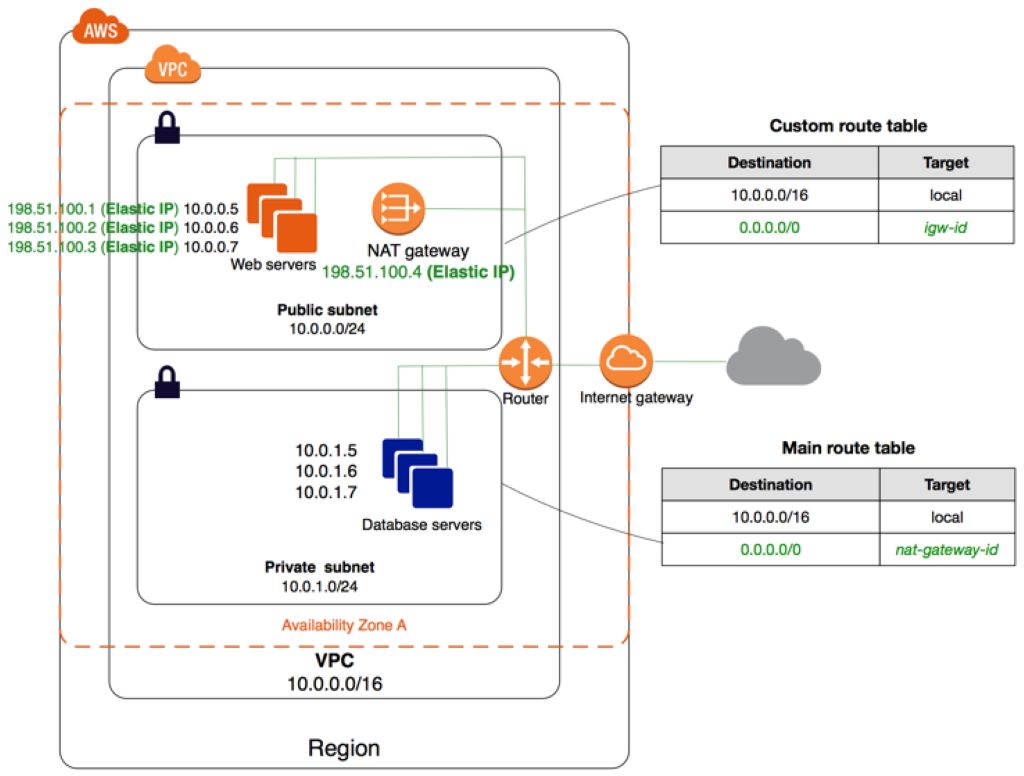
In the realm of cloud computing and network architecture, understanding the nuances between NAT Gateway vs. Internet Gateway is crucial for optimal performance, security, and cost-efficiency. While both serve as essential components for connecting resources to the internet, they fulfill distinct roles. This article aims to demystify these differences, helping you make informed decisions for your specific needs.
NAT Gateway vs. Internet Gateway: Understanding the Basics
Before diving into the comparison, let’s briefly define these terms:
- NAT Gateway: A Network Address Translation (NAT) gateway is a managed service that enables instances in a private subnet to connect to the internet. It translates private IP addresses to public IP addresses, allowing outbound traffic while protecting private instances from inbound connections.
- Internet Gateway: An internet gateway is a virtual device that connects your Virtual Private Cloud (VPC) to the internet. It allows inbound and outbound traffic to your public-facing instances.
NAT Gateway vs. Internet Gateway: Key Differences and Use Cases
NAT Gateway
- One-way traffic: Primarily for outbound internet access from private instances.
- Security: Protects private instances from direct internet exposure.
- Managed service: AWS handles configuration, scaling, and high availability.
- Use cases:
- Instances requiring internet access for updates, software downloads, or data fetching.
- Backing up data to cloud storage services.
- Accessing public-facing services like DNS or NTP.
Internet Gateway
- Two-way traffic: Allows both inbound and outbound internet access.
- Public-facing instances: Required for instances that need to be publicly accessible, such as web servers, load balancers, or API endpoints.
- Manual configuration: Requires manual configuration and management.
- Use cases:
- Hosting public-facing websites or applications.
- Exposing services to the internet for external consumption.
- Creating VPN connections to on-premises networks.
NAT Gateway vs. Internet Gateway: When to Choose Which
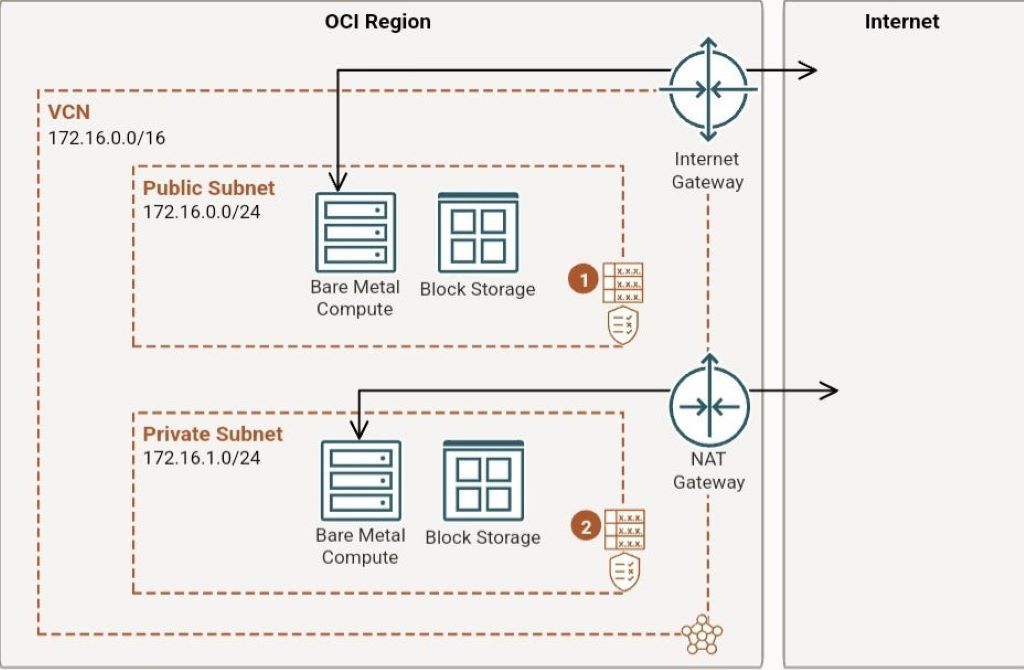
The decision between a NAT Gateway and an Internet Gateway hinges on the specific requirements of your resources and the level of security you need. Here’s a breakdown of common scenarios:
Choose a NAT Gateway when:
- You need outbound internet access for private instances without exposing them to the public internet.
- You prioritize security and want to minimize the attack surface.
- You prefer a managed service for simplicity and reliability.
- You have a limited number of instances requiring internet access.
Choose an Internet Gateway when:
- You need to expose instances to the public internet for inbound traffic.
- You require full control over network configuration and management.
- You have a large number of public-facing instances.
- You need to establish VPN connections to on-premises networks.
Hybrid Approach
In some cases, a combination of both gateways can be beneficial. For example, you might use a NAT Gateway for most instances while deploying an Internet Gateway for specific public-facing applications. This approach offers flexibility and granular control over network access.
Additional Considerations
- Cost: NAT Gateways typically incur hourly charges and data transfer costs, while Internet Gateways have no upfront costs but may require additional hardware or software for on-premises deployments.
- Performance: NAT Gateways can handle high traffic volumes efficiently, but their performance might be impacted by network congestion or limitations.
- Security: NAT Gateways provide an added layer of security by preventing inbound connections to private instances, but proper security measures should still be implemented on the instances themselves.
Related: What is the Difference Between Technology and Digital Technology
Conclusion
Selecting the right gateway is essential for optimizing your cloud infrastructure. By carefully evaluating your specific needs, and considering security, performance, and cost factors, you can make informed decisions to enhance your network architecture. Remember that the choice between a NAT Gateway and an Internet Gateway is not mutually exclusive; in many cases, a hybrid approach might be the most suitable solution.