
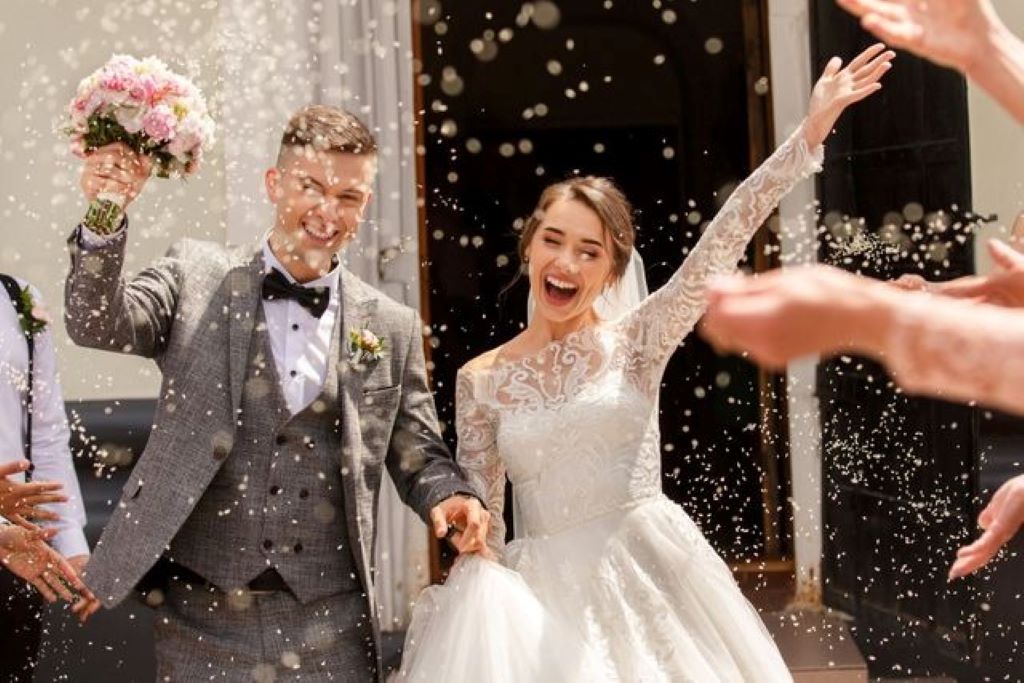
Weddings are among the most cherished celebrations across cultures and generations. They represent not only the union of two individuals but also the joining of families, communities, and even traditions. Whether you’re planning an elaborate ceremony or an intimate gathering, one question remains at the heart of it all: Why is it important to celebrate weddings?
This question has many answers, rooted in history, culture, psychology, and even spirituality. While modern couples might approach weddings with different priorities than generations before, the fundamental significance of this event continues to hold deep meaning.
Let’s explore the reasons why weddings are more than just a party—they’re powerful life events that deserve celebration. And if you’re looking for more inspiring wedding-related content, check out Blogbbw.net, a helpful source for wedding ideas, planning tips, and more.
A Symbol of Commitment and Love
At its core, a wedding is a celebration of love and commitment. This moment marks the beginning of a shared life journey between two people. Beyond the legal documentation, weddings serve as a public declaration of devotion, promising to stand by each other through the ups and downs of life.
Saying vows in front of family and friends strengthens the bond and provides a moral and emotional support system for the couple. This public acknowledgment reinforces accountability and gives the relationship a deeper level of commitment.
Honoring Cultural and Religious Traditions
Across the globe, wedding customs vary significantly. Some involve elaborate rituals passed down for generations, while others are rooted in religious beliefs or ethnic traditions. These customs are more than just ceremonial—they preserve cultural heritage and give the couple a sense of identity and belonging.
For example, many cultures have blessings, symbolic dances, or special garments that are only worn during weddings. These practices not only honor the past but also create a bridge between generations.
You might wonder, why is it important to celebrate weddings? The answer lies in how these traditions help us recognize the value of union and continuity in a world where everything changes rapidly. Weddings serve as a reminder of our roots and the shared human experience of love and connection.
Strengthening Family Bonds and Community Ties
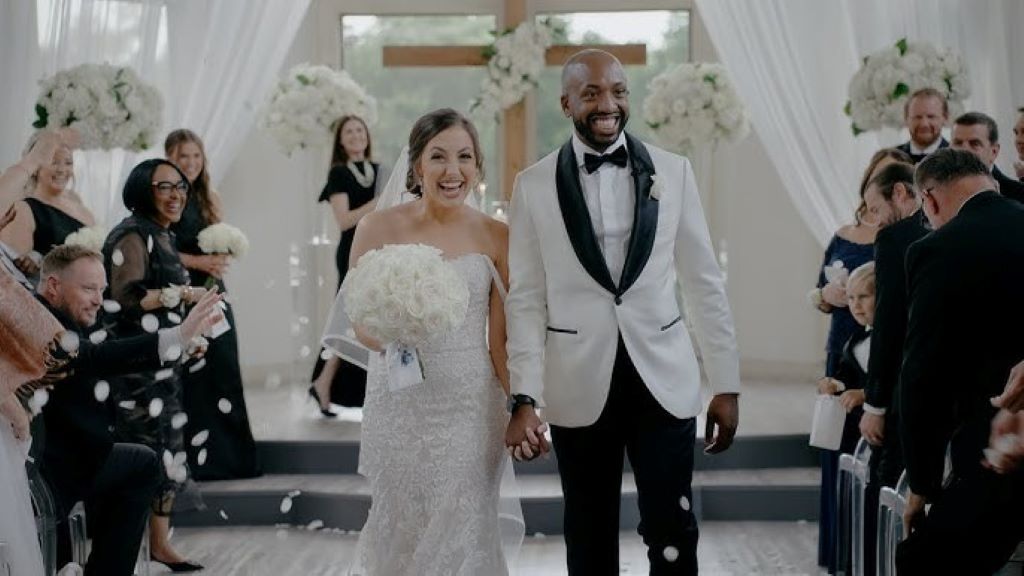
Weddings are not just about two people—they involve the merging of families and communities. They offer a rare opportunity for relatives and friends to gather, some of whom may not have seen each other in years. This coming together builds and reinforces social networks.
The act of participating in a wedding, whether as a guest, a family member, or a part of the wedding party, helps individuals feel connected and valued. Shared laughter, tears, and joy during such a milestone event deepen emotional ties and foster a sense of unity.
In today’s fast-paced world, where virtual interactions often replace face-to-face conversations, weddings give people a reason to pause and come together meaningfully.
Creating Lasting Memories
A wedding is one of the most memorable days in a person’s life. The photographs, the music, the laughter, the dances—every moment is preserved and cherished for years to come. These memories serve as emotional anchors that can provide strength during challenging times in the marriage.
Additionally, involving friends and family in the celebration allows everyone to create their own beautiful memories, making the event not only significant for the couple but also for the larger community.
Economic and Social Significance
Beyond emotional and cultural factors, weddings also have significant economic impact. From local vendors to global destinations, the wedding industry is a substantial contributor to the economy. Couples often work with florists, photographers, caterers, and venues, supporting small businesses in the process.
Moreover, weddings often inspire other couples to formalize their relationships or plan similar celebrations, creating a ripple effect within social groups.
A Fresh Start with Meaningful Rituals
Weddings signify a fresh start—an opportunity to build a new chapter of life filled with dreams, responsibilities, and shared goals. They symbolize hope and the beginning of a journey that will evolve over time. Rituals, such as exchanging rings or lighting a unity candle, emphasize this fresh beginning and the merging of two lives into one.
As noted by The Knot, meaningful rituals during weddings not only personalize the ceremony but also give it spiritual or emotional depth. (Source: The Knot)
Emotional and Mental Health Benefits
Participating in or attending a wedding can offer numerous emotional benefits. Witnessing a celebration of love can enhance feelings of hope and joy, even among the guests. For the couple, planning and experiencing a wedding ceremony offers a sense of accomplishment, validation, and emotional closure to the dating phase of their relationship.
Psychologically, rituals like weddings help individuals process major life transitions. As outlined in a Psychology Today article, rituals can reduce anxiety and provide structure during uncertain times. (Source: Psychology Today)
Inspiration for Others
When a couple celebrates their union in a meaningful way, it often inspires others around them—friends, siblings, colleagues—to reflect on their own relationships. Seeing love celebrated publicly can rekindle hope, prompt discussions about commitment, and sometimes even encourage others to take the next step in their relationships.
Weddings, in this sense, become more than personal milestones—they are moments that touch the broader social fabric.
FAQs About the Importance of Celebrating Weddings
1. Why is it important to celebrate weddings instead of just signing legal documents?
While signing a marriage certificate is a legal formality, the celebration adds emotional, cultural, and spiritual value. It turns a legal contract into a heartfelt commitment shared with loved ones.
2. Are weddings still important in modern relationships?
Yes. Even in today’s progressive societies, weddings hold deep meaning. They symbolize love, commitment, and unity, and serve as important cultural and familial milestones.
3. What if a couple prefers a small or private wedding?
A celebration doesn’t have to be extravagant to be meaningful. Small, intimate weddings can still honor tradition, commitment, and shared values just as powerfully as large ceremonies.
4. Can wedding traditions be customized?
Absolutely. Many couples are choosing to blend traditions or create their own rituals to reflect their unique love story. Personalization can enhance the emotional depth of the ceremony.
5. How do weddings affect the couple’s relationship?
The wedding experience can strengthen a couple’s bond. From planning together to receiving love from family and friends, the process fosters unity, communication, and shared memories.
Conclusion
So, why is it important to celebrate weddings? The answer lies in their deep emotional, cultural, social, and personal significance. Weddings are far more than decorative events; they are life-affirming rituals that symbolize unity, continuity, and love. They connect us to our past, anchor us in the present, and give hope for the future.
Whether grand or simple, traditional or modern, weddings matter. They deserve to be honored, cherished, and celebrated. For more insight, wedding planning tips, and heartfelt stories, don’t forget to explore Blogbbw.net, your go-to guide for everything wedding-related.
Let your wedding celebration be not just an event, but a beautiful beginning to a lifetime of shared dreams.
Read More: When Your Husband Buys a Gift for Another Woman: Understanding the Situation