
Ever downloaded an app, used it once, and never opened it again? You’re not alone. In today’s saturated digital world, user abandonment is a harsh reality. Often, the root cause is a poor user experience. Even the most innovative features fall flat if users find the interface clunky or unappealing.
In an ultra-competitive market, every tap, swipe, and click matters. That’s why User Experience (UX) and User Interface (UI) design are no longer optional. For any application development company striving for long-term success, UX/UI is the cornerstone of digital excellence.
This article explores the critical role UX/UI plays in application development, and how it shapes user engagement, loyalty, and a company’s bottom line.
Understanding UX/UI Design
UX vs. UI: What’s the Difference?
Though closely related, UX and UI serve different purposes.
What is UX (User Experience)?
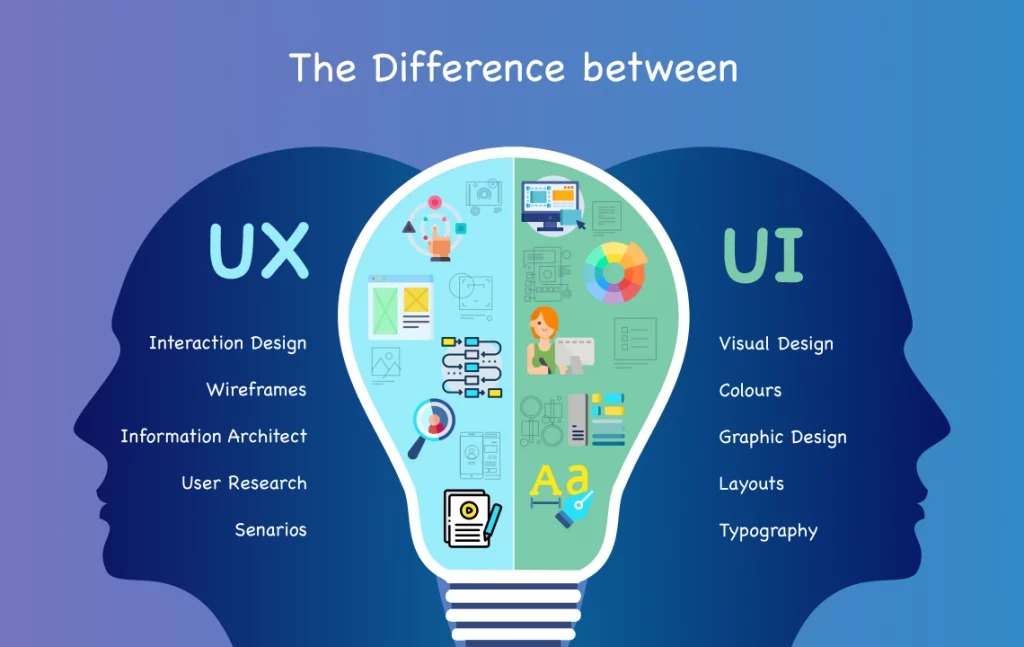
UX design focuses on how users interact with an app and how they feel during that interaction. It’s about:
-
Ease of use
-
Efficiency in completing tasks
-
Emotional satisfaction
UX designers conduct deep research, build user personas, and test usability to create intuitive experiences.
What is UI (User Interface)?
UI design is about the app’s visual layout and interactive components:
-
Buttons
-
Icons
-
Typography
-
Color schemes
-
Navigation menus
UI designers ensure the interface is beautiful, brand-consistent, and easy to use.
The Symbiotic Relationship Between UX and UI
A gorgeous UI is useless without smooth UX. Likewise, intuitive UX falls flat without visually appealing UI. The best apps blend both seamlessly—delivering functionality wrapped in aesthetics.
Why UX/UI Is Crucial for Application Development Companies
UX/UI isn’t just a design task—it’s a strategic investment with clear returns.
Enhanced User Satisfaction and Retention
Intuitive, visually pleasing apps keep users happy—and coming back. Satisfied users become loyal customers. In a market flooded with alternatives, superior UX/UI is a competitive edge.
Increased Engagement and Conversions
Great design encourages action. Whether it’s making a purchase, signing up, or engaging with content, well-placed buttons and clear flows lead to higher conversions.
Reduced Development Time and Costs
Design flaws caught early are cheaper to fix. Wireframes and prototypes save time and money by eliminating guesswork before development begins.
Stronger Brand Identity and Trust
Your app reflects your company. A sleek, consistent interface builds trust, credibility, and a professional brand image.
Competitive Advantage
Exceptional UX/UI makes your app stand out. It becomes your unique selling proposition, helping you outperform established players and win users.
Improved SEO Performance
While not a direct ranking factor, good UX/UI improves:
-
Bounce rates
-
Dwell time
-
Mobile responsiveness
These user signals enhance your search engine visibility and SEO success.
Key Principles of Effective UX/UI Design
Designing exceptional interfaces means following proven principles:
User-Centric Design
Everything revolves around the user:
-
Who are they?
-
What do they need?
-
How do they behave?
Understanding these ensures meaningful, relevant experiences.
Consistency and Familiarity
Consistent layouts and interactions reduce confusion. Familiar navigation patterns build user confidence and reduce the learning curve.
Accessibility
Inclusive design ensures people of all abilities can use your app. Following WCAG standards and enabling assistive technology support expands your reach.
Feedback and Responsiveness
Apps must communicate clearly. Use:
-
Visual feedback (e.g., button highlights)
-
Loading indicators
-
Error messages
These keep users informed and confident.
Simplicity and Clarity
Minimalist design avoids clutter. Present only what users need, in plain language. Clear pathways keep users focused and reduce cognitive load.
Implementing UX/UI in the Development Lifecycle
UX/UI must be integrated throughout development—not added as an afterthought.
Discovery and Research
Start by understanding:
-
Target audience needs
-
Market demands
-
Competitor offerings
Use interviews, surveys, and user personas to guide your design direction.
Wireframing and Prototyping
Build the app’s blueprint (wireframes), followed by interactive mockups (prototypes). These help:
-
Visualize structure
-
Test functionality early
-
Collect user feedback
Testing and Iteration
Use real-user testing to spot issues early. Employ:
-
Usability tests
-
A/B testing
-
Continuous feedback
Iterate regularly to refine the design.
Cross-Functional Collaboration
UX/UI success requires collaboration among:
-
Designers
-
Developers
-
Product managers
-
Marketing teams
Open communication ensures the final product aligns with both user needs and business goals.
The Future of UX/UI in Application Development
Technology is evolving, and UX/UI must evolve with it.
Emerging Trends
-
AI-driven personalization
-
Voice user interfaces (VUI)
-
Augmented and virtual reality (AR/VR)
These trends demand new approaches to UX/UI design and offer immense opportunity for innovation.
Continuous Evolution
UX/UI is not a one-time task. It’s a dynamic discipline that adapts to:
-
Changing user behavior
-
New devices and platforms
-
Shifting market expectations
Companies that embrace ongoing design evolution stay ahead of the curve.
Read More Also: Why Meeting CMMC Requirements Should Be a Priority Even If You’re Not a Government Contractor (Yet)
Conclusion
The success of any application—and any application development company—depends heavily on UX/UI design. We’ve seen how these disciplines:
-
Enhance satisfaction and retention
-
Drive engagement and conversion
-
Reduce costs and boost SEO
-
Strengthen branding and credibility
UX/UI is no longer a bonus. It’s a requirement.
Investing in strong UX/UI strategies today ensures a competitive, user-friendly, and future-ready product tomorrow.
Read More Also: How Blockchain is Revolutionizing the Financial Industry
Final Thought
Don’t let your great app idea fail because of poor design. Prioritize UX/UI from the start—and turn casual users into loyal advocates. Ready to build your next big app? Partner with a professional UX/UI design team to transform your vision into a powerful, user-first experience.