

Are you eager to dive into the world of fishing but feel overwhelmed by the confusing gear and setups? Using a spinning rod and reel combo is the simplest way for beginners to get started. In this comprehensive spinning rod and reel combo guide, you’ll learn everything you need to know—from choosing your first combo to casting your first line.
Snippet Answer: To use a spinning rod and reel combo, assemble the rod, attach the reel, thread the line, tie a basic knot, and practice casting. Choose a beginner-friendly combo, ensure your reel is spooled with the right line, and maintain your equipment regularly for the best fishing experience.
What is a Spinning Rod and Reel Combo and Why Is It Perfect for Beginners?
A spinning rod and reel combo pairs a spinning rod with a matching reel, pre-balanced and ready for use. It’s perfect for beginners because it’s user-friendly, reduces setup hassles, and maximizes your success while learning basic fishing techniques.
A spinning rod and reel combo consists of two main parts: the rod and the reel. The spinning reel sits under the rod, making it easy to manage the line and cast accurately. Most importantly, these combos are tailored for beginners, with balanced weights and easy-to-use features. By getting a matched combo, you eliminate compatibility confusion, which can quickly discourage new anglers. Spinning combos are also versatile—suitable for catching a range of fish species, from bass to trout and even some saltwater fish. If you’re just starting, this is the most forgiving and reliable option.
How Do You Assemble a Spinning Rod and Reel Combo?
To assemble a spinning rod and reel combo, connect the rod sections, attach the reel to the rod seat, and tighten the locking mechanism. Then, spool the reel with line and thread it through each rod guide from bottom to tip.
- Unpack your rod and align any sections, pushing them together until snug.
- Open the reel seat (usually a twist lock) and slide the foot of the reel into place.
- Tighten the seat securely to avoid movement.
- Attach your fishing line by opening the bail arm of the reel, tying the line to the spool, and cranking the handle to spool it evenly.
- Run the line through each rod guide, starting at the closest to the reel and moving toward the tip.
Take your time to avoid tangling and check that the reel is firmly attached—this prevents wobble and discomfort when fishing. Many combos come with pre-spooled line, which makes the process even easier.
How Do You Choose the Right Line and Lure for Your Combo?
For your spinning rod and reel combo, choose a line strength (test) and lure size that match the rod’s specifications. Light to medium lines (6-12 lb test) and lures (1/8 to 1/2 oz) are ideal for beginners targeting popular freshwater fish.
Using the wrong line or lure can cause casting difficulties and snapped lines. Always check the rod label for recommended line and lure weights. Monofilament is beginner-friendly due to its stretch and forgiveness, while braid offers sensitivity but can be more complex to handle. When it comes to lures, start with soft plastics, small spinners, or simple jigs. These are effective for common species and are less likely to snag or tangle. Matching your tackle to your rod and reel will help you cast farther and reduce frustration. Remember, finesse is often better than force—using lighter gear helps you learn sensitivity and control early on.
- Check rod specifications for line and lure weights.
- Choose monofilament for ease of use.
- Stick to basic lures while learning (plastics, spinners, jigs).
- Avoid heavy weights and advanced rigs until comfortable.
How Do You Cast and Retrieve Effectively with a Spinning Combo?
To cast with a spinning rod and reel combo, hold the rod with your dominant hand, open the bail, grip the line with your finger, swing the rod back, and flick it forward. Release the line at the peak for maximum distance and accuracy.
Casting with a spinning combo takes some practice. Start by gripping the rod handle, just above the reel, with your dominant hand. Use your index finger to hold the line against the rod. Open the reel’s bail arm, move the rod behind your shoulder, and quickly swing it forward while releasing the line. This motion should send your lure sailing effortlessly. Once the lure lands in the water, close the bail with your hand, not by cranking the reel. Begin your retrieve by slowly turning the reel handle, keeping the line taut. Try different speeds and pauses—many fish bite on these changes. With time, your accuracy and distance will improve.
What Common Mistakes Do Beginners Make with Spinning Rod and Reel Combos?
Beginners often overfill the reel spool, use mismatched gear, skip essential maintenance, or use excessive force while casting. Avoid these mistakes to ensure smooth fishing, prevent tangles, and extend the life of your spinning rod and reel combo.
- Overfilling the Reel: Filling past the spool edge leads to frequent tangles and “bird nests.”
- Gear Mismatch: Using a heavy line on a light rod reduces casting distance and can damage the equipment.
- Neglecting Maintenance: Failing to rinse and lubricate the reel makes it prone to salt or dirt buildup.
- Casting Hard: Power is less important than smoothness—practice smooth, controlled casts for better results.
- Poor Knot Tying: Weak or sloppy knots often break under tension. Practice basic knots like the improved clinch.
Recognizing and fixing these issues early will greatly improve both your enjoyment and fishing success. If ever in doubt, re-read your combo’s manual or watch trusted instructional videos.
How Do You Properly Maintain and Store a Spinning Rod and Reel Combo?
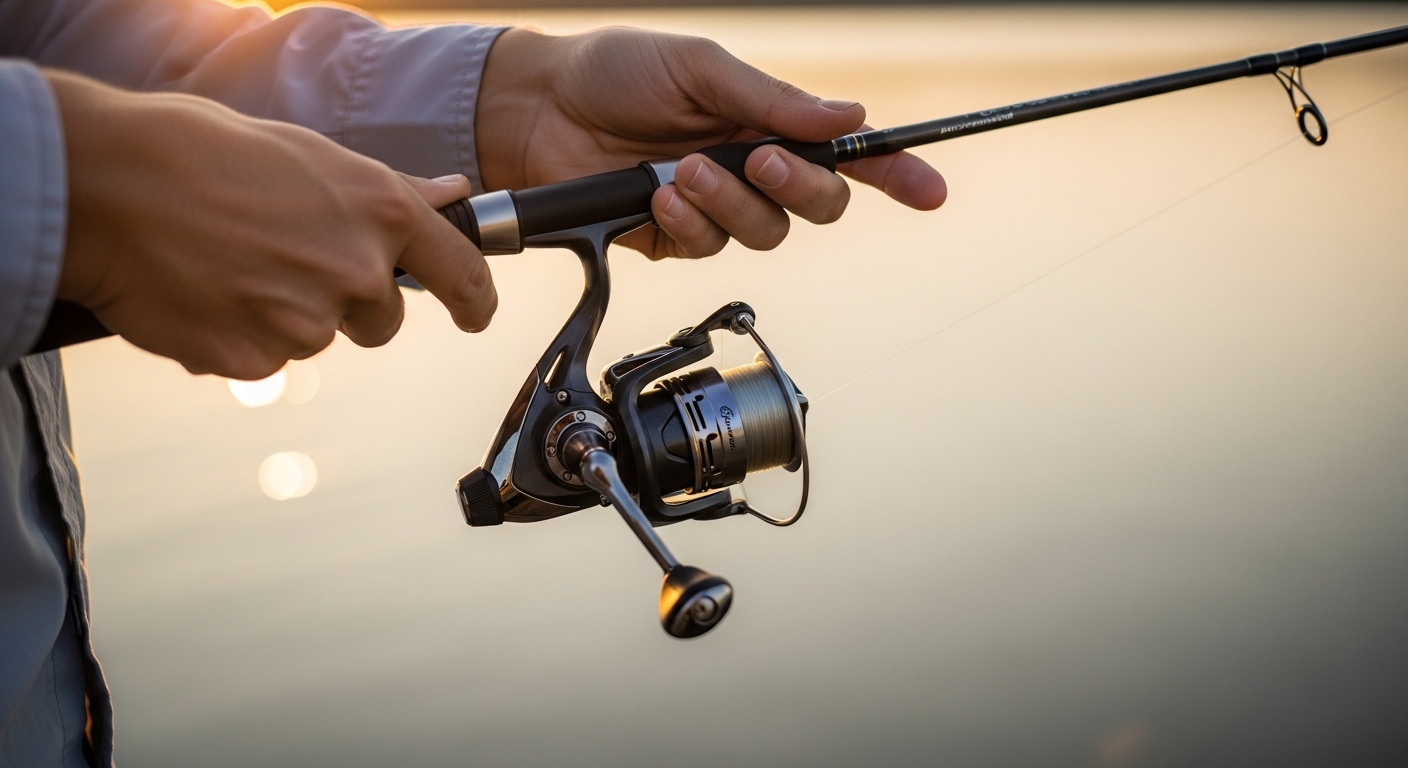
After each use, rinse your combo with fresh water, dry thoroughly, and store in a cool, dry place. Occasionally lubricate your reel’s moving parts, and always loosen the drag before storage to prolong the life of your gear.
Maintenance is crucial. Salt, sand, and dirt will degrade your combo fast if left unchecked. After fishing, especially in saltwater, rinse everything with gentle pressure—it’s best to avoid high-pressure hoses. Dry all components before putting them away to prevent corrosion. Every few trips, open your reel’s side plate (if possible) and apply a drop of reel oil to the gears. Store the combo vertically, if possible, or lay it flat to avoid bending the rod. Keep out of direct sunlight, as heat can weaken the rod material over time. Proper storage and maintenance ensure your investment lasts for years and is always ready when you need it.
Which Features Should You Look For When Buying Your First Spinning Rod and Reel Combo?
Look for a lightweight, medium-power rod (6–7 feet) with a smooth, ball-bearing-driven reel. Features like anti-reverse, comfortable handle grips, and corrosion-resistant materials are essential for maximum beginner enjoyment and durability.
When purchasing, hold the rod and assess its weight—lighter combos reduce fatigue. A medium power rating offers enough backbone for various fish, while a medium-fast action gives you balance between casting distance and hook-setting speed. The reel should feature a smooth drag system and several ball bearings (3 or more) for consistent turns. Anti-reverse prevents backward handle movement, which helps avoid slack during a fight. Consider EVA foam or cork grips for comfort, and stainless-steel or graphite construction for minimal corrosion risk. With these features, your learning curve flattens, and your fishing days are smoother.
How Does a Spinning Rod and Reel Combo Compare to Other Fishing Setups?
Spinning rod and reel combos are generally more user-friendly and versatile for beginners compared to baitcasting or spincast setups. They offer easier line management, fewer backlash issues, and broader lure compatibility for novice anglers.
| Feature | Spinning Combo | Baitcaster | Spincast |
|---|---|---|---|
| Ease of Use | Very Easy | Difficult | Easiest |
| Line Management | Simple | Complex | Very Simple |
| Backlash Risk | Low | High | Very Low |
| Casting Distance | Good | Excellent | Poor |
| Lure Versatility | High | Medium | Low |
| Beginner-Friendly | Yes | No | Yes |
How Do You Progress Beyond the Basics with Your Spinning Rod and Reel Combo?
Once comfortable, experiment with different techniques like jigging, working topwater lures, or targeting various species. Try different environments, adjust your line and lure selection, and learn advanced knots for a more versatile fishing experience.
As you gain experience, your spinning rod and reel combo becomes more than just a “starter kit.” Progress by learning about drag adjustments, different lure actions, and species-specific tactics. Challenge yourself with catch-and-release practices, or fish in rivers, lakes, and saltwater. Upgrade your line type for sensitivity, or increase line test for bigger fish. Mastering new techniques, like drop-shotting or working crankbaits, opens up a world of opportunities. Always continue learning—join a local fishing club, read online forums, or attend fishing workshops. Your combo will take you far, as long as you keep challenging yourself and your skills.
Conclusion: Why Is a Spinning Rod and Reel Combo the Ultimate Beginner’s Choice?
Choosing a spinning rod and reel combo is the key to unlocking enjoyable, stress-free fishing as a beginner. These combos are intuitive, versatile, and designed to flatten the learning curve. You’ll spend more time fishing and less time troubleshooting, which means faster progress and more fun out on the water.
Don’t let complex setups hold you back. Embrace the spinning rod and reel combo guide, use the tips above, and get ready to create great fishing memories from day one. Ready to start your fishing adventure? Pick up your spinning rod and reel combo and head to your nearest water!
Start fishing today—adventure awaits!
Frequently Asked Questions (FAQ)
What is the difference between a spinning combo and a baitcaster?
A spinning combo is much easier for beginners to use. The reel sits under the rod for straightforward casting and line control, while baitcasters require thumb control to prevent backlashes. Spinning combos are better for light lures and finesse techniques.
Can I use a spinning combo for saltwater fishing?
Yes, you can use spinning combos in saltwater, but choose models marked as “saltwater” or “corrosion-resistant.” Always rinse with fresh water after each trip to prevent salt damage and extend the combo’s life.
How much should I spend on my first spinning rod and reel combo?
Entry-level combos range from $40 to $100. Spending in this range ensures you get reliable performance without unnecessary features. Avoid ultra-cheap combos, as they may not last, but you don’t need to spend a fortune to get started.
How do I prevent my line from tangling or snarling?
Don’t overfill the reel spool and make sure the line runs smoothly through all guides. Use steady, gentle casts and avoid jerky motions. Replace old or coiled line—a fresh spool reduces tangles dramatically.
Do I need to know special knots to start fishing with a spinning combo?
Not at first. Master the improved clinch knot or the Palomar knot, both of which are strong and simple for beginners. As you grow, you can learn advanced knots for different situations.
How do I know which size spinning combo to buy?
Choose a 6- to 7-foot medium-power combo for most freshwater situations. This size is manageable, versatile, and ideal for learning. For children, look for shorter models designed for small hands.
Do spinning combos come pre-spooled with fishing line?
Many combos are pre-spooled with basic monofilament, which is perfect for starting out. If line isn’t included, purchase line that matches the rod’s recommended test strength for best results.
Read More Also: How to Choose a Waterproof Dog Bed for Incontinent Dogs
Learn More: How to Select Magnetic Bike Rollers for Resistance Training