
Mountain biking doesn’t have to drain your bank account. Many riders assume they need expensive bikes to enjoy trails, but that’s simply not true. With smart shopping strategies and realistic expectations, you can find a quality mountain bike that fits your budget and riding style.
The market for affordable mountain bikes has grown significantly in recent years. Manufacturers now produce economical MTB options that offer genuine performance without the premium price tag. Additionally, understanding where to compromise and where to invest helps you maximize value for every dollar spent.
This comprehensive guide will show you how to save money while still getting a capable bike. You’ll learn about timing your purchase, choosing the right specifications, and avoiding common mistakes that waste money. Whether you’re a beginner or an experienced rider on a budget, these strategies will help you get the most bike for your money.
Understanding the Current Mountain Bike Market
The mountain bike industry has evolved dramatically over the past few years. Supply chain issues that plagued 2020 through 2023 have largely resolved, creating better availability and competitive pricing. Manufacturers have increased production capacity, which means more options at various price points.
Additionally, direct-to-consumer brands have disrupted traditional retail models. These companies skip the middleman and sell bikes directly through their websites. This approach eliminates dealer markup, allowing them to offer better specifications at lower prices than traditional brands.
The used market has also matured significantly. Online platforms make buying and selling bikes easier than ever before. Consequently, finding quality pre-owned bikes has become a viable alternative to buying new, especially for budget-conscious riders.
Timing Your Purchase Strategically
When you buy matters almost as much as what you buy. Retailers and manufacturers follow predictable cycles that create opportunities for significant savings.
Fall and winter represent prime buying seasons for mountain bikes. Most people stop thinking about riding as weather turns cold, causing demand to drop. Shops need to clear floor space for next year’s models, creating motivation to discount current inventory. Therefore, shopping between October and February often yields the best deals.
Model year changeovers create additional opportunities. New models typically arrive in late summer or early autumn. Once new versions appear, previous year models get discounted even if they’re virtually identical. A 2025 model purchased in late 2025 might cost 20 to 30 percent less than the 2026 version with minimal differences.
Holiday sales events offer another chance to save. Black Friday, Cyber Monday, and end-of-year clearance sales often feature steep discounts on bikes and components. Sign up for email lists from major retailers to receive notification of these sales.
However, don’t wait too long if you find a good deal. Popular sizes and colors sell quickly during major sales. Being ready to purchase when you spot genuine value prevents missing out due to hesitation.
Identifying True Value Bikes
Not all affordable bikes offer good value. Some cut too many corners, resulting in poor performance and reliability. Learning to identify quality budget options separates smart shopping from false economy.
Frame material affects both price and performance. Aluminum frames dominate the budget category and offer excellent durability and stiffness. While carbon fiber is lighter, the aluminum frames on value bikes perform well for most riders. Don’t feel pressured to pay extra for carbon unless you’re racing competitively.
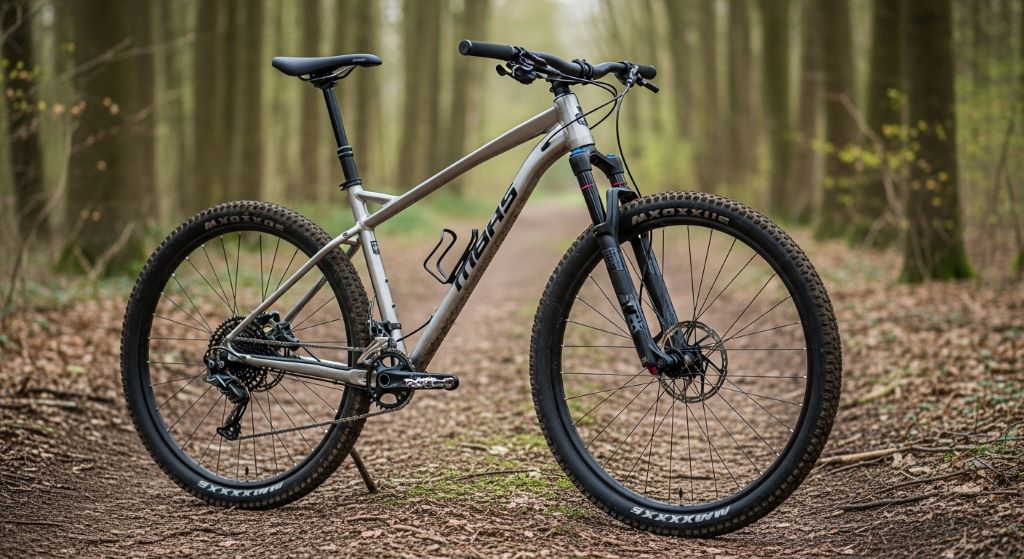
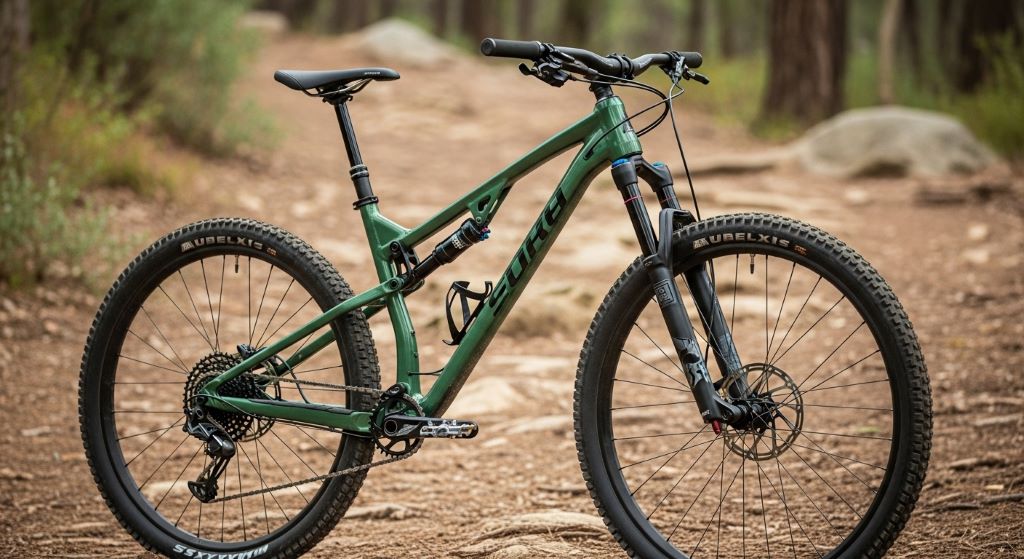
Suspension type significantly impacts cost. Full suspension bikes with both front and rear shocks cost substantially more than hardtails with only front suspension. For many trail conditions and riding styles, hardtails provide plenty of capability while keeping costs down. Additionally, they require less maintenance than full suspension designs.
Component groups vary widely in quality and price. Budget bikes often mix higher-quality parts with more economical pieces. Focus on getting better brakes, drivetrain, and wheels, as these components affect performance most directly. Cosmetic parts like grips and saddles can be upgraded inexpensively later.
Wheel size influences both cost and riding characteristics. The industry has largely standardized on 27.5-inch and 29-inch wheels. Both sizes appear on budget bikes, and neither is inherently better. Choose based on your height and intended riding style rather than perceived prestige.
Direct-to-Consumer Brands Worth Considering
Direct-to-consumer companies have revolutionized the affordable mountain bike market. They offer impressive specifications at prices that traditional brands struggle to match.
These brands invest in product development and customer service rather than dealer networks. You’ll get better components for your money, though you sacrifice the ability to test ride before buying. Most offer generous return policies to offset this limitation.
Research customer reviews carefully before purchasing from direct brands. Look for feedback about both bike quality and customer service. Strong warranties and responsive support make a significant difference if problems arise.
Some established traditional brands now offer direct-to-consumer models alongside their dealer-sold lines. These bikes bridge the gap between online-only brands and traditional retail, offering competitive pricing with more purchasing options.
The Smart Way to Buy Used Mountain Bikes
Purchasing used can stretch your budget significantly. A two-year-old bike that cost fifteen hundred dollars new might sell for eight hundred used. However, buying used requires more knowledge and careful inspection.
Online marketplaces provide access to numerous options. Check specialized cycling forums, general classifieds, and social media groups dedicated to bike sales. Local options allow you to inspect bikes in person, reducing purchase risk.
Inspect bikes thoroughly before buying. Check the frame for cracks, dents, or signs of crashes. Test the suspension for smooth operation and look for leaking seals. Examine the drivetrain for excessive wear. Bringing a knowledgeable friend helps if you’re uncertain about evaluation.
Ask sellers about the bike’s history. Understanding how it was used, stored, and maintained helps you assess its condition. Bikes that lived indoors and received regular maintenance offer better value than neglected ones, even at similar prices.
Negotiate respectfully but firmly. Most sellers expect some negotiation and price listings accordingly. Point out issues that require attention and factor repair costs into your offer. However, lowball offers insult sellers and shut down negotiations.
Components That Matter Most on Budget Bikes
When shopping for economical MTB options, certain components deserve priority. Understanding where to invest and where to accept compromises helps you choose wisely.
Brakes rank among the most important safety components. Hydraulic disc brakes vastly outperform mechanical disc or rim brakes, especially in wet or muddy conditions. Ensure any budget bike you consider includes hydraulic brakes. The difference in stopping power and control justifies prioritizing this feature.
The drivetrain affects shifting performance and reliability. Modern 1x drivetrains with a single front chainring simplify shifting and reduce maintenance compared to older 2x or 3x systems. Even budget 1x systems perform well if properly adjusted. Look for recognized brands even in lower-tier component groups.
Fork quality varies tremendously across price points. Budget air forks perform better than cheap coil spring forks, which often feel harsh and offer limited adjustability. If choosing between bikes, prioritize the one with a better fork. Upgrading forks later costs significant money.
Wheels see constant stress from impacts and terrain. Look for double-wall rims rather than single-wall construction. Better hubs with sealed bearings last longer and require less maintenance than cup-and-cone designs common on very cheap bikes.
Features You Can Compromise On
Maximizing value requires knowing where you can accept lesser components without significantly impacting performance. These areas offer opportunities to save money without sacrificing ride quality.
Dropper seat posts have become popular but add substantial cost. While convenient, especially on technical descents, they’re not essential for beginning or intermediate riders. You can add one later if you decide it’s worth the investment.
Fancy paint jobs and graphics don’t affect performance. Bikes with simpler color schemes often cost less despite having identical specifications to flashier versions. Focus on function over appearance to maximize value.
Carbon fiber components like handlebars, seat posts, and cranks save weight but cost significantly more than aluminum equivalents. For most riders, this weight savings doesn’t justify the expense. Aluminum parts work perfectly well and prove more durable in crashes.
Premium grips, saddles, and pedals are easily upgraded later. Don’t reject an otherwise excellent value bike because of mediocre contact points. Replacing these items costs relatively little and allows you to customize comfort to your preferences.
Avoiding False Savings
Some apparent bargains actually cost more in the long run. Recognizing these pitfalls prevents expensive mistakes that waste money.
Department store bikes rarely represent good value despite low prices. They use inferior components, poor assembly, and cheap materials that fail quickly. Repairs often cost more than the bike’s value. Instead, buy from bicycle-specific brands, even at entry-level prices.
Unknown component brands may seem attractive when comparing specifications, but quality matters. Recognized manufacturers produce more reliable parts with better performance and availability of replacement parts. Saving fifty dollars on a bike with questionable components creates headaches later.
Bikes that are too small or too large never feel right, regardless of price. Proper fit affects comfort, control, and efficiency. An expensive bike in the wrong size performs worse than a budget bike that fits correctly. Prioritize proper sizing over other considerations.
Skipping professional assembly or setup saves money initially but often leads to problems. Improperly adjusted gears, brakes, or suspension compromise performance and safety. Many shops offer reasonable assembly fees that ensure your bike works correctly from day one.
Maintenance That Protects Your Investment
Proper maintenance extends bike life and prevents expensive repairs. Budget bikes especially benefit from regular care that keeps them running smoothly.
Clean your bike after muddy or wet rides. Dirt and grime accelerate wear on moving parts, particularly the drivetrain. A quick wash and dry prevents premature component failure and keeps everything working smoothly.
Lubricate your chain regularly with appropriate bicycle chain lube. A well-lubricated chain shifts better, runs quieter, and lasts significantly longer. This simple maintenance task costs pennies and saves dollars in replacement parts.
Check tire pressure before rides. Properly inflated tires roll faster, grip better, and resist pinch flats. This free maintenance step improves performance and prevents damage.
Address small problems immediately before they become expensive repairs. Unusual noises, poor shifting, or brake fade indicate issues that worsen if ignored. Early intervention prevents minor adjustments from becoming major repairs.
Learn basic maintenance skills yourself. Changing tubes, adjusting brakes and derailleurs, and replacing brake pads are all straightforward tasks. Online videos make learning easy, and doing your own basic work saves money on labor costs.
Building a Complete Budget Cycling Setup
The bike itself is only part of the total investment. Planning for necessary accessories prevents budget shock and ensures you can actually ride.
Safety equipment is non-negotiable. A quality helmet protects your head during falls. Don’t skimp on this critical piece of gear. However, you don’t need the most expensive model. Mid-range helmets offer excellent protection at reasonable prices.
Basic tools enable trailside repairs and home maintenance. A multi-tool, tire levers, spare tube, and pump represent minimal investment that prevents being stranded. These items pay for themselves the first time you need them.
Appropriate clothing enhances comfort without requiring specialized gear initially. Regular athletic wear works fine for casual riding. As you ride more, invest in cycling-specific items that improve comfort and performance.
Consider transportation needs for getting to trails. A quality bike rack costs money but opens access to better riding areas. Alternatively, check if bikes fit inside your vehicle with seats folded.
Conclusion
Saving money on mountain bikes in 2026 requires strategy, patience, and knowledge. The market offers excellent economical MTB options if you know where to look and what to prioritize. Timing purchases around sales cycles and model changeovers creates opportunities for significant savings.
Focus on important components like brakes, drivetrain, and suspension while compromising on cosmetic features and easily upgraded parts. Direct-to-consumer brands and the used market provide alternatives to traditional retail that stretch your budget further.
Remember that the most expensive bike isn’t always the best choice, nor is the cheapest necessarily good value bikes. The ideal option balances your budget with your riding needs and future growth potential. Proper maintenance protects your investment and ensures years of reliable performance.
By applying these strategies, you can find a capable mountain bike that delivers genuine performance without breaking the bank. Smart shopping combined with realistic expectations lets you enjoy trail riding while keeping money in your pocket for adventures.
Frequently Asked Questions
What’s a reasonable budget for a quality beginner mountain bike in 2026?
For a new hardtail mountain bike from a reputable brand, expect to spend between six hundred and twelve hundred dollars. This range provides reliable components, hydraulic brakes, and adequate suspension for trail riding. Spending less often means compromising on critical components, while spending more provides diminishing returns for beginners. Used bikes can deliver similar quality for 30 to 50 percent less.
Are direct-to-consumer bike brands reliable?
Many direct-to-consumer brands offer excellent reliability and customer service. Research companies thoroughly by reading reviews and checking their warranty policies before purchasing. Established direct brands often provide better value than traditional brands at similar price points. However, verify that the company has responsive customer service and readily available replacement parts before committing.
Should I buy a hardtail or full suspension bike on a budget?
For most budget-conscious riders, hardtails offer better value. They provide simpler maintenance, better component quality at any given price point, and adequate performance for most trail conditions. Full suspension bikes in the budget category often compromise too much on components to achieve the rear shock. Save full suspension for when you can afford quality execution of both frame and parts.
How much should I budget for accessories and gear beyond the bike?
Plan to spend an additional 15 to 25 percent of your bike budget on essential accessories. This includes a helmet, basic tools, spare tubes, pump, and pedals if not included. Budget another hundred to two hundred dollars for maintenance items and minor upgrades during the first year. Having this cushion prevents surprise expenses from derailing your enjoyment.
Is it worth buying last year’s model to save money?
Absolutely. Previous year models often offer identical or nearly identical performance to current versions at significantly reduced prices. Mountain bike technology evolves slowly, so a 2025 model purchased in 2026 will still provide excellent performance. Focus on getting the right size and specifications rather than having the latest model year designation.
Related Topics:
How to Cast Surf Fishing Rigs for Maximum Distance
Best Pasta Maker for Beginners: Cuisinart PE-50 Extruder Review