
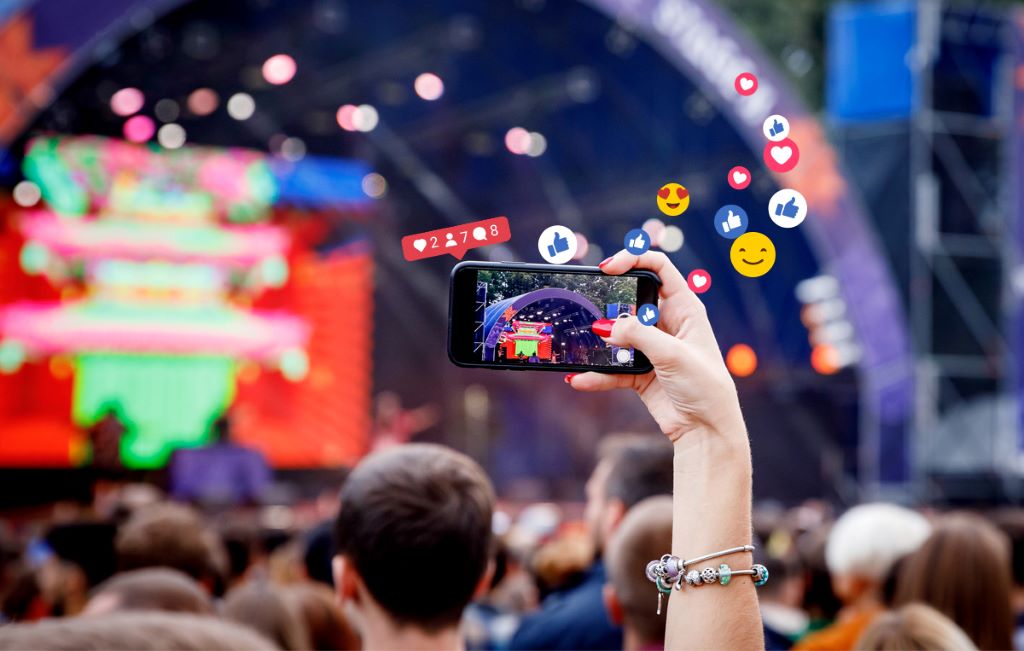
Social media has revolutionized the way events are promoted and experienced. With billions of users across various platforms, it’s an indispensable tool for event organizers seeking to reach their target audience, build excitement, and foster engagement. This article delves into effective strategies to leverage social media for event promotion and engagement.
Social Media Promotion and Engagement: Understanding Your Audience and Goals
Before diving into specific tactics, it’s crucial to define your target audience and event goals. Understanding who you’re trying to reach and what you want to achieve with your event will guide your social media strategy.
- Identify your target audience: Age, interests, demographics, and online behavior are essential factors to consider.
- Define your event goals: Are you aiming for ticket sales, brand awareness, networking opportunities, or something else?
- Choose the right platforms: Based on your audience and goals, select the most suitable social media platforms. For instance, Instagram might be ideal for visually appealing events, while LinkedIn could be better for professional conferences.
Social Media Promotion and Engagement: Building a Strong Social Media Presence
A solid foundation is essential for successful event promotion. Ensure your event has dedicated profiles on chosen platforms.
- Optimize profiles: Use eye-catching profile pictures, compelling bios, and relevant keywords.
- Consistency is key: Maintain a consistent brand identity across all platforms.
- Visual appeal: High-quality images and videos are crucial for grabbing attention.
Creating a Buzz Before the Event
Start building excitement early on with a well-planned content calendar.
- Create a dedicated event hashtag: This helps unify conversations and makes content discoverable.
- Share event details: Provide essential information like date, time, location, speakers, and agenda.
- Leverage countdown timers: Create anticipation and urgency.
- Run contests and giveaways: Incentivize sharing and engagement.
- User-generated content (UGC): Encourage attendees to share their excitement and experiences using the event hashtag.
Leveraging Visual Content
Visual content is highly engaging on social media.
- High-quality images and videos: Invest in professional-looking visuals.
- Behind-the-scenes glimpses: Offer exclusive content to build anticipation.
- Infographics: Present complex information in a visually appealing way.
- Live streaming: Share event highlights in real time.
Engaging Your Audience
Social media is about interaction.
- Ask questions and run polls: Encourage audience participation.
- Respond to comments and messages promptly: Show you care about your audience.
- Collaborate with influencers: Partner with relevant influencers to expand your reach.
- Paid advertising: Target specific demographics with paid social media ads.
Making the Most of Event Day
Social media can enhance the event experience.
- Live updates: Share real-time highlights and behind-the-scenes content.
- Encourage attendee participation: Create opportunities for attendees to share their experiences.
- Leverage social media walls: Display live social media feeds at the event.
- Collect attendee feedback: Use social media to gather valuable insights.
Post-Event Follow-Up
The event might be over, but the engagement doesn’t have to end.
- Share event highlights: Create a recap video or photo album.
- Thank attendees: Express gratitude for their participation.
- Collect testimonials: Encourage attendees to share their experiences.
- Promote future events: Keep the momentum going.
Measuring Success
Track your social media performance to evaluate your strategy.
- Key performance indicators (KPIs): When evaluating the effectiveness of a social media strategy, it’s crucial to understand key metrics such as reach, engagement, conversions, and ROI. Reach measures the total number of unique users who have seen your content, providing insight into the potential audience size. Engagement includes metrics like likes, comments, shares, and interactions, indicating how actively your audience is participating in your content.
- Analyze data: Use analytics tools to understand what works and what doesn’t.
- Optimize your strategy: Make data-driven adjustments to improve results.
Related: Best Practices for B2B Marketing Online: Amplify Your Impact
Conversions track the number of users who complete a desired action, such as signing up for a newsletter or making a purchase, reflecting the effectiveness of your calls to action. ROI, or Return on Investment, assesses the financial return from your social media activities relative to the costs incurred, helping to determine overall efficiency and profitability. For instance, analyzing these metrics can be especially useful when assessing the performance of a one-year-old social media platform in terms of user growth and activity levels. You can find more information about suitable platforms for kids at: https://sophiethinksthoughts.com/blog/5-best-media-platforms-for-kids/.
Social Media Promotion and Engagement: Additional Tips
- Be authentic and genuine: Build trust with your audience by being yourself.
- Stay updated with trends: Adapt your strategy to the latest social media trends.
- Collaborate with partners: Expand your reach by partnering with other organizations.
- Test and experiment: Don’t be afraid to try new things.
By following these strategies and continuously adapting to the evolving social media landscape, you can effectively promote your events, engage your audience, and achieve your desired outcomes. Remember, consistency, creativity, and genuine interaction are key to success.