
Wading the wade shallow flats for bonefish is a thrilling part of saltwater fly fishing. But if you’re not careful, you’ll never get close. Bonefish are among the most easily spooked game fish in the world. One wrong step, and they vanish like ghosts. That’s why a stealthy approach is essential.
In my early flats fishing days in the Bahamas, I used to rush toward every flash of silver. I ended up spooking more bonefish than I ever hooked. Over time, I learned that bonefish demand patience, silence, and smart movements. If you’re serious about catching them, you need to master the art of stealth wading.
For expert gear to help with this style of fishing, explore Crazy Fishing Gear and level up your flats strategy.
In this post, we’ll break down practical, tested steps you can take to approach bonefish without tipping them off. From water entry to foot placement, and from gear choices to wind strategies, you’ll find everything you need to become invisible on the flats.
Understand Bonefish Behavior to Stay Undetected
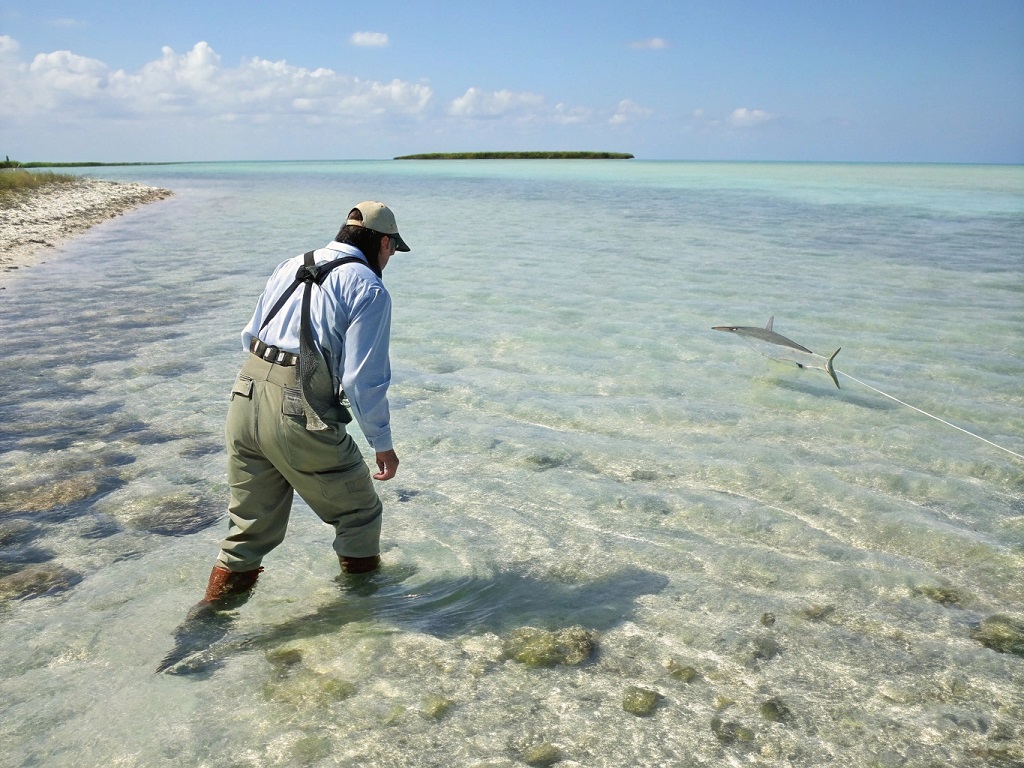
Bonefish are often called “grey ghosts” for a reason—they’re hard to see, and they disappear fast. To catch one, you need to think like one. Bonefish have excellent vision. Their eyes are adapted to spot movement, shadows, and even vibrations in the water. Additionally, they travel in small schools and feed in shallow, sandy areas where every movement stands out.
According to a research study published in Fish and Fisheries (2020), bonefish rely heavily on visual cues and water pressure changes to detect threats. They have lateral lines that help them sense movement and vibrations. So, splashing, stomping, or casting a shadow across the flat can send them darting away.
Here’s how to stay undetected:
- Stay Low: Try to crouch slightly when approaching fish. This reduces your silhouette.
- Avoid Sudden Movements: Move with slow, steady steps to prevent splashing.
- Watch the Sun: Approach with the sun at your back to reduce your shadow across the water.
- Wear Neutral Colors: Light tan or pale blue works best to blend with the sky and surroundings.
Understanding the fish’s line of sight helps you choose the right path and angle of approach. It also helps you avoid flushing fish from the flat before you even see them.
Entry Strategy: Slip Into the Flats, Not Splash
How you enter the flat can make or break your day. If you stomp into the water, expect empty water within minutes. Bonefish will pick up the vibration through the bottom and swim off long before you can cast.
Here are actionable tips to enter the flat silently:
- Enter from the Backside: Use mangrove cuts or sandy stretches where the water is deeper. Avoid walking across the flat.
- Slide In, Don’t Stomp: Glide your feet along the bottom rather than lifting and dropping them.
- Use the Incoming Tide: Enter as the tide rises. Bonefish often move into shallow water to feed, which makes them less skittish for a brief period.
- Mind the Wind: Use wind direction to your advantage. A light chop can hide your movement and noise.
From personal experience in Belize, I learned that watching crabs and baitfish is also a good sign. If they scatter when you enter, chances are you’re not as stealthy as you think.
According to Florida Fish and Wildlife, flats environments are fragile. A quiet entry not only improves your chances but also protects the ecosystem for future fishing.
Foot Placement: Silent Steps Catch More Fish
Footwork is your stealth weapon. Loud, careless foot placement can send pressure waves through the water. Bonefish sense this and flee. The trick is to move like you’re sneaking up on a wild animal—because you are.
Follow these guidelines for quiet steps:
- Shuffle, Don’t Step: Slide your feet to avoid sudden water displacement.
- Heel-to-Toe Contact: Place the heel down gently and then roll to the toe.
- Avoid Crunchy Bottoms: Stay off dead coral or rocky areas when possible. Sand or mud is quieter.
- Pause Often: Stop and scan every few steps. This gives your eyes time to catch subtle movement and lets the water settle.
I once followed a single tailing bonefish for over 200 feet across a flat. I kept my eyes locked in and my steps slow. That fish never saw me coming.
A quiet approach isn’t just about catching fish—it also gives you a better chance of spotting others before they notice you.
Use the Right Gear to Stay Invisible
The gear you bring affects how stealthy you can be. From your boots to your rod, every item should support quiet movement and low visibility.
Here’s what to use and what to avoid:
- Lightweight Flats Boots: Choose boots that don’t make suction noises in the mud.
- Slim Profile Clothing: Baggy clothes flap in the wind and cause noise. Go for fitted, UV-protective fabrics.
- Muted Colors: Camouflage helps. Avoid bright white or black shirts that reflect sunlight or cast shadows.
- Non-reflective Sunglasses: Polarized glasses are a must, but pick matte frames to reduce glare.
Additionally, your tackle box can make noise if it’s not packed properly. For long-term gear protection and organization, discover how do you store fishing tackle at https://crazyfishinggear.com/fishing-gear-reviews/tackle-boxes-organizers/how-to-protect-your-fishing-tackle-from-the-elements/.
According to a 2021 angler survey by Salt Strong, anglers who wore neutral gear and minimized sound had a 42% higher hookup rate on shallow flats compared to those who didn’t.
When your gear supports stealth, you can focus on your cast and retrieve instead of constantly adjusting.
Wind, Light, and Water Conditions: Use Nature to Your Advantage
Mother Nature can either help you or work against you. Knowing how to use light and wind to your advantage can greatly improve your stealth.
Wind Tips:
- Fish Into the Wind: While harder to cast, the wind hides your presence and sound.
- Avoid Crosswind Approaches: It makes your cast harder and increases splash.
- Watch Ripples: A light ripple masks your shadow and foot movements.
Light Conditions:
- Low Sun = Low Shadow: Early morning and late afternoon offer the best light angles for stealth.
- High Sun = Better Visibility: Midday helps you spot fish but also exposes your position.
Water Clarity:
- Clear Water: Move even slower. Fish see everything.
- Cloudy Water: Fish can be bolder, but spotting them becomes harder.
In my experience, fishing on cloudy days just before a front moves in can be excellent. Bonefish seem less wary, and the glare is reduced, improving visibility. Just don’t overlook the importance of tide cycles—bonefish tend to move with rising tides and feed in shallower zones.
Read More Also: Why Meeting CMMC Requirements Should Be a Priority Even If You’re Not a Government Contractor (Yet)
Conclusion
Wading shallow flats for bonefish is part art, part science. The goal is not just to fish—but to become part of the environment. That means moving quietly, watching closely, and respecting the natural order of the flats.
Let’s recap the keys to a stealthy approach:
- Understand bonefish behavior and sensory skills.
- Enter the water gently and from the right direction.
- Use controlled, sliding steps.
- Wear the right gear to blend in and move quietly.
- Work with light and wind instead of against them.
Once I started treating each flat like a sacred space, I began catching more fish. More importantly, I enjoyed the experience even when I didn’t. Because stealth wading isn’t just about results—it’s about immersion.
Have a story about sneaking up on spooky bonefish? Drop it in the comments below and share this guide with your fishing crew.
Read More Also: From Pixels to Predictions: How Data Science is Shaping Our World
FAQs
What makes bonefish so easy to spook?
Bonefish have excellent eyesight and can sense movement and vibrations in shallow water. Any sudden movement alerts them.
What’s the best time of day for stealth wading?
Early mornings and late afternoons offer soft light and lower shadows, making it easier to stay hidden from fish.
Should I wear camouflage on the flats?
Neutral or camo colors help you blend in with the surroundings. Avoid white, dark, or reflective clothing.
How can I move quietly in the water?
Slide your feet instead of stepping. Move heel to toe and pause often to reduce water disturbance.
Does wind help or hurt bonefish fishing?
Light wind helps hide your presence. Strong wind makes casting harder but can mask sounds and shadows. Use it wisely.