
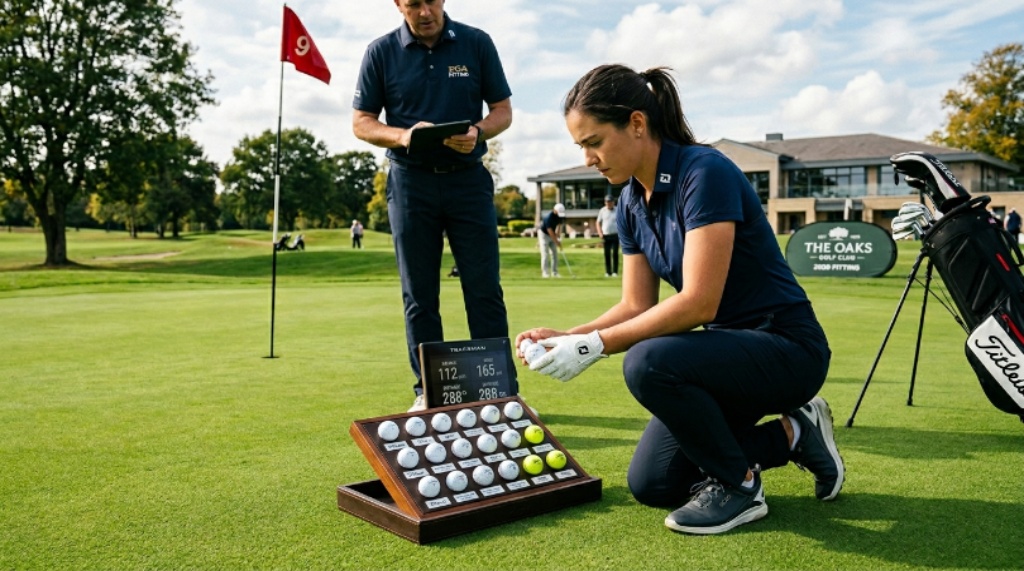
Choosing the right golf ball can feel overwhelming. There are dozens of options on the market, and every brand claims to offer the best performance. However, the truth is that not every ball suits every golfer. The right choice depends on your swing speed, skill level, and what you value most on the course.
In 2026, the options are better than ever. New golf ball technology has pushed performance boundaries in ways that benefit players at every level. Whether you want more distance off the tee or tighter control around the greens, there is a ball designed for your game.
This guide breaks everything down in plain language. By the end, you will know exactly what to look for and how to make a confident purchase.
Why the Golf Ball You Choose Actually Matters
Many amateur golfers focus all their attention on clubs. They invest in the latest drivers and irons but grab whatever ball is on sale. This approach leaves real performance on the table.
A golf ball influences every shot you take. It affects how far your drives travel, how much spin you generate with your wedges, and how the ball feels when it rolls across the green. Therefore, matching the ball to your game is just as important as matching your clubs.
Professional golfers have known this for decades. Now, thanks to advances in materials and manufacturing, recreational players can benefit from the same thinking.
Understanding Golf Ball Construction
Before you can choose wisely, it helps to understand how golf balls are built. Construction varies by the number of layers inside the ball.
One-Piece and Two-Piece Balls
One-piece balls are the simplest and cheapest. They are mostly used on driving ranges and are not ideal for the course. Two-piece balls are the most common choice for recreational golfers. They have a large solid core and a durable outer cover. Additionally, they are built for distance and forgiveness, making them a great starting point for beginners and high-handicap players.
Multi-Layer Balls
Three-piece, four-piece, and five-piece balls are designed for more advanced players. Each additional layer adds a specific performance benefit. The outer layers control spin, while the inner layers manage energy transfer and feel. These balls are more complex to manufacture, which is why they tend to cost more. However, the performance gains they offer are significant for players who can use them effectively.
The Role of the Cover
The outer cover of a golf ball is either made from Surlyn or urethane. Surlyn covers are tough and durable. They resist cuts and scuffs well, which makes them ideal for casual players. Urethane covers, on the other hand, are softer and generate more spin. They give skilled players greater control over shot shape and stopping power on the green.
What New Golf Ball Technology Looks Like in 2026
The golf ball industry has made remarkable progress in recent years. In 2026, new golf ball technology centers on a few key areas that are changing how players of all levels experience the game.
Advanced Core Materials
Modern golf balls use multi-density cores that behave differently depending on how hard they are struck. A slow swing compresses the ball less, so the core is designed to still generate efficient energy transfer at lower speeds. A fast swing compresses the ball deeply, and the core responds by releasing more stored energy for extra distance.
This dual-response behavior was difficult to achieve in the past. Today, it is a standard feature in many mid-range and premium options.
Aerodynamic Dimple Patterns
Dimples on a golf ball are not decorative. They create turbulence in the air around the ball, which reduces drag and helps it fly farther and more accurately. In 2026, brands are using computational fluid dynamics software to design dimple patterns that are optimized for specific flight trajectories.
Some balls are engineered to launch high and land steeply for maximum stopping power. Others are designed to fly low and run out for more distance in windy conditions. Therefore, understanding which flight style suits your course and climate is worth considering.
Urethane Coating Refinements
Urethane covers have become more consistent and responsive than ever. Manufacturers now apply urethane in thinner, more uniform layers. This improves feel without sacrificing durability. Additionally, the interaction between the cover and a grooved clubface has been refined to produce more predictable spin rates across a wider range of shots.
Matching a Golf Ball to Your Swing Speed
Swing speed is one of the most useful measurements for choosing the right ball. It is also something most golfers can measure easily at a driving range or with a launch monitor.
If your driver swing speed is below 85 mph, you will benefit most from a low-compression ball. These balls are softer and easier to compress at slower speeds, which means more energy transfer and better distance. They also tend to feel softer around the greens, which many players enjoy.
If your swing speed falls between 85 and 100 mph, a mid-compression ball is usually the best match. These offer a balance of distance and control and work well across a range of shot types.
Golfers swinging above 100 mph have the speed to compress high-performance balls fully. For these players, premium golf balls with firm cores and urethane covers unlock the most distance and spin control. However, using a premium ball at a slower swing speed may result in less distance and a harder feel that is difficult to work with.
Distance vs. Control: Finding the Right Balance
Every golfer wants distance. However, control is often the bigger factor in lowering your score. Long drives mean nothing if you cannot hit greens and control your short game.
Distance-focused balls tend to have firmer cores and lower spin rates off the driver. This helps the ball travel farther but can make it harder to stop on the green. Control-focused balls prioritize spin, especially with shorter irons and wedges. They respond well to skilled shot-making but may sacrifice a few yards off the tee.
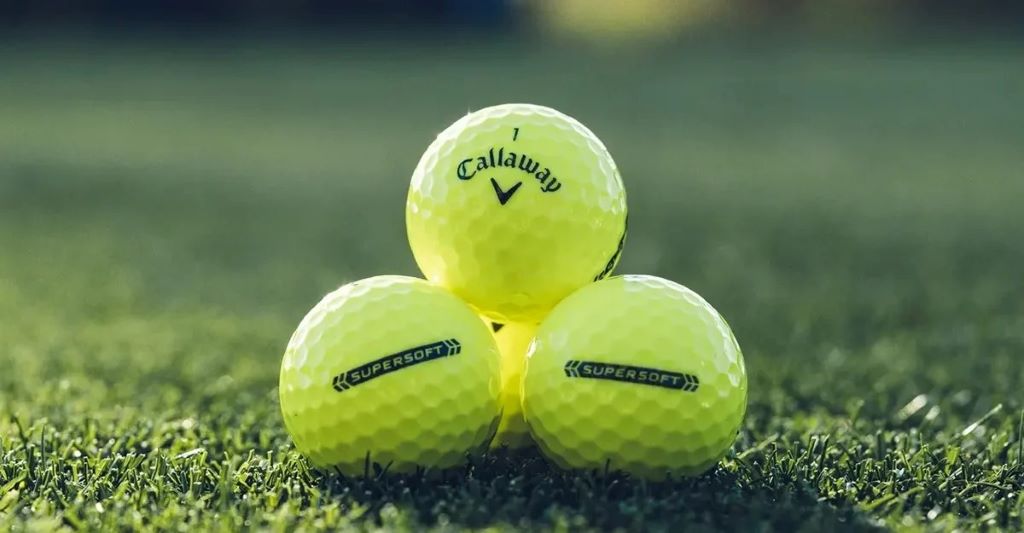
The good news is that the best balls in 2026 are designed to offer both. Through careful construction and material choices, manufacturers have narrowed the gap between distance and control. Therefore, you no longer have to sacrifice one entirely for the other.
How to Test Golf Balls Before Committing
Buying a full box of golf balls without trying them first is a common mistake. Most brands sell sleeves of three balls, which is the perfect way to test a new option. Take a sleeve out for a round and pay attention to how the ball feels off the driver, how it responds with your wedges, and how it behaves on the green.
Additionally, many golf retailers and pro shops offer ball fitting sessions. A fitting involves hitting several different balls on a launch monitor, which gives you real data on ball speed, spin rate, and carry distance. This takes the guesswork out of the process entirely.
Budget Considerations: Do You Need to Spend More?
Premium golf balls deliver the best technology, but they are not necessary for every golfer. If you are still developing your game or regularly lose balls on the course, spending $50 or more per dozen may not be practical.
Mid-range balls priced between $25 and $40 per dozen have improved dramatically in recent years. Many of them now include features previously found only in top-tier options. For most recreational golfers, a quality mid-range ball will outperform any premium option simply because of the confidence boost that comes from not worrying about losing an expensive ball.
However, if you are a low-handicap player who consistently scores well, upgrading to premium golf balls can produce measurable improvements in your short game and scoring ability.
Conclusion
Finding the best golf ball in 2026 comes down to knowing your game and understanding your options. Start by identifying your swing speed, then consider whether you prioritize distance or control. Look at construction, cover material, and compression to narrow your choices.
New golf ball technology has made it easier than ever to find a ball that suits your specific needs. Test a few options before committing to a full box. And remember, the right ball does not have to be the most expensive one. It just has to be the right fit for the way you play. With the right knowledge, you can make a smart choice that genuinely improves your game.
Frequently Asked Questions
What is the best golf ball for distance in 2026?
The best distance ball depends on your swing speed. Golfers with faster swings benefit from firm, low-spin balls with high-energy cores. Slower swingers do better with low-compression balls that are easier to compress for maximum energy transfer.
Are premium golf balls worth the extra cost?
For skilled players with consistent swings, yes. Premium golf balls offer superior spin control and feel around the greens. However, for high-handicap players or those who frequently lose balls, a quality mid-range option is a more practical choice.
How do I know what compression rating suits my swing?
As a general rule, swing speeds under 85 mph work best with low-compression balls (below 70). Speeds between 85 and 100 mph suit mid-compression options. Speeds above 100 mph benefit from high-compression balls. A launch monitor fitting can give you precise data.
What is the difference between Surlyn and urethane covers?
Surlyn covers are harder, more durable, and better suited to beginners. Urethane covers are softer, generate more spin, and give experienced players greater control. Most premium golf balls use urethane covers.
Can the wrong golf ball actually hurt my game?
Yes, it can. Using a high-compression ball with a slow swing speed reduces distance and feel. Using a very low-spin ball when you need short-game control leads to difficulty stopping the ball on greens. Matching the ball to your skill level and swing makes a real difference.
Related Topics:
How to Select Magnetic Bike Rollers for Resistance Training
How to Cast Surf Fishing Rigs for Maximum Distance