

The best fishing landing net depends on where you fish, the species you target, and how portable your setup needs to be. Anglers targeting bass from kayaks or small boats usually benefit from lightweight rubber-coated landing nets, while shore anglers often need longer handles for better reach and control.
Why Does Choosing the Right Fishing Landing Net Matter?
A good fishing landing net helps you land more fish safely, reduce hook tangles, and protect fish during catch-and-release fishing. The wrong net can damage fish slime coats, break under pressure, or become frustrating to carry on trips.
Many anglers spend hundreds on rods, reels, and lures but overlook one critical tool: the landing net. That mistake often shows up at the worst moment — when a trophy bass, trout, or pike reaches the side of the boat.
Cheap mesh can snag hooks constantly. Oversized nets become awkward in kayaks. Short handles make shore fishing harder. Poor materials corrode after exposure to saltwater.
The right landing net solves these problems. It improves landing success, protects fish health, and makes fishing trips smoother and safer.
Whether you fish from a bass boat, kayak, dock, bank, or river, choosing the correct net matters more than many anglers realize.
What Is a Fishing Landing Net?
A fishing landing net is a handheld tool designed to help anglers safely secure fish before removing the hook. It reduces the risk of losing fish near the boat or shoreline.
Modern landing nets come in several styles:
- Rubber-coated nets
- Foldable portable net designs
- Telescopic handle nets
- Kayak fishing nets
- Large deep-bag nets for catfish or salmon
- Compact landing nets for bass fishing
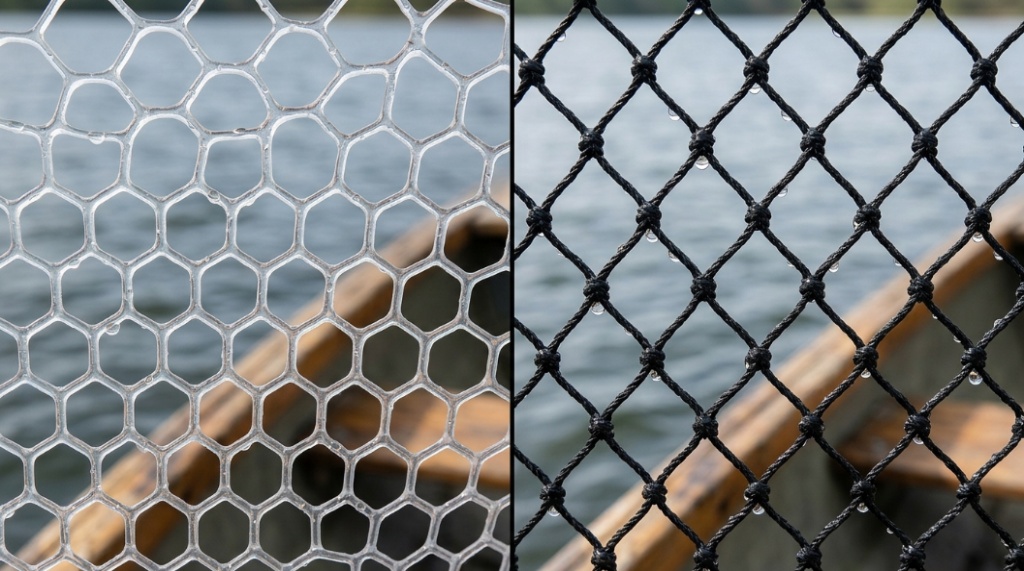
Most modern fishing gear reviews recommend rubber or silicone-coated mesh because it protects fish and minimizes hook snags.
What Features Should You Look for in a Landing Net?
The best landing nets balance portability, fish safety, durability, and ease of use. Key features include net material, hoop size, handle length, and overall weight.
Why Is Net Material Important?
Rubber-coated mesh is widely considered the best choice for modern anglers because it protects fish and prevents hooks from tangling.
Traditional nylon nets are cheaper but often create problems:
- Treble hooks snag constantly
- Fish slime coats get damaged
- Fins can become tangled
- Cleaning becomes harder
Rubber nets are especially important for catch-and-release bass fishing and trout fishing.
What Handle Length Works Best?
Short handles work best for kayaks and small boats, while long handles help shore anglers reach fish more easily.
| Fishing Style | Recommended Handle Length | Best Use |
|---|---|---|
| Kayak Fishing | 12–24 inches | Compact control |
| Bass Boat Fishing | 18–36 inches | Versatility |
| Bank Fishing | 36–72 inches | Extended reach |
| Pier Fishing | 72+ inches | Deep water access |
Does Hoop Size Matter?
Yes. The hoop size determines how easily you can scoop fish without missing them.
For landing nets for bass fishing, medium hoops usually work best because they balance maneuverability and fish coverage.
Larger fish species like salmon, pike, or catfish require deeper and wider nets.
What Is the Best Landing Net for Bass Fishing?
The best landing nets for bass fishing usually feature rubber-coated mesh, medium-depth baskets, and lightweight aluminum handles.
Bass anglers often prioritize:
- Fast one-handed operation
- Hook-resistant mesh
- Compact storage
- Fish-safe materials
- Lightweight portability
Bass tournaments increasingly emphasize fish care. According to organizations like B.A.S.S., minimizing fish stress improves survival rates after release.
That is why many competitive anglers now use silicone or rubber-coated landing nets instead of old nylon mesh.
Are Folding Nets Good for Bass Fishing?
Yes. Folding and collapsible portable net designs are excellent for kayak anglers and bank fishermen who need compact storage.
Benefits include:
- Easy transportation
- Better storage in kayaks
- Lightweight carry options
- Quick deployment
However, cheaper folding mechanisms may loosen over time, so build quality matters.
What Is the Best Portable Net for Travel Fishing?
The best portable net is lightweight, foldable, durable, and easy to attach to backpacks or kayaks.
Travel anglers often face limited storage space. Compact nets solve this issue while still offering enough strength for medium-sized fish.
Good travel nets typically include:
- Collapsible handles
- Foldable hoops
- Aluminum frames
- Rubber-coated mesh
- Magnetic release systems
Many modern fishing gear reviews highlight magnetic-release nets because they improve accessibility during active fishing.
Are Telescopic Nets Reliable?
High-quality telescopic nets can be reliable, but cheap versions often develop locking problems or flex under heavy fish.
If you choose a telescopic model, look for:
- Corrosion-resistant aluminum
- Strong locking mechanisms
- Non-slip handles
- Reinforced hoop joints
How Do You Choose a Net for Kayak Fishing?
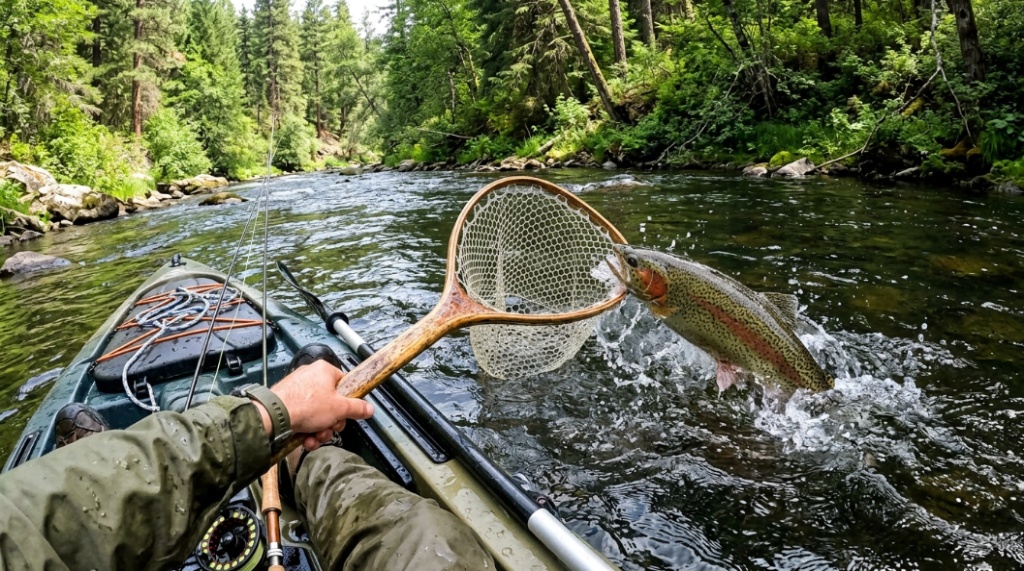
Kayak anglers need compact, lightweight landing nets that are easy to use with one hand in tight spaces.
Large boat nets become difficult to manage inside a kayak. That is why most kayak anglers prefer:
- Short handles
- Compact hoop designs
- Rubber mesh
- Floating net capability
- Foldable storage
A floating portable net is especially useful because gear loss is common in kayak fishing.
Should You Buy a Floating Fishing Net?
Yes, especially for kayak fishing or fishing from paddleboards and small watercraft.
Floating nets reduce the risk of losing expensive gear overboard. Many newer designs use EVA foam handles or buoyant frames.
Some premium floating nets also include:
- Fish measuring scales
- Built-in grips
- Lanyard attachments
- Quick-release clips
What Net Material Is Best for Catch-and-Release Fishing?
Rubber-coated or silicone mesh is the best option for catch-and-release fishing because it protects fish slime coats and reduces injury.
Fish biologists and conservation groups often recommend rubber nets because traditional nylon mesh can:
- Remove protective slime
- Damage fins
- Increase infection risk
- Stress fish during handling
For species like trout and bass, proper handling directly impacts survival after release.
Why Do Hooks Tangle Less in Rubber Nets?
Rubber mesh has smoother surfaces and fewer fibers than nylon, which significantly reduces hook snags.
This becomes especially important when using:
- Crankbaits
- Treble hooks
- Topwater lures
- Spinnerbaits
Many anglers switch to rubber nets simply to avoid wasting time untangling hooks.
How Big Should Your Landing Net Be?
Your landing net should match the size of the fish species you commonly target.
Using a net that is too small increases the chance of losing fish during landing.
| Fish Species | Recommended Net Size | Net Depth |
|---|---|---|
| Bass | Medium | Moderate |
| Trout | Small to Medium | Shallow |
| Pike | Large | Deep |
| Catfish | Extra Large | Deep |
| Salmon | Large | Deep |
Can a Net Be Too Large?
Yes. Oversized nets can become difficult to maneuver, especially in kayaks or small boats.
Large nets may also:
- Add unnecessary weight
- Reduce mobility
- Take up storage space
- Slow landing speed
Balance matters more than simply choosing the largest option available.
What Materials Last Longest in Fishing Nets?
Aluminum and carbon fiber frames typically provide the best balance of strength, corrosion resistance, and lightweight performance.
Stainless steel is durable but often heavier.
For saltwater fishing, corrosion resistance becomes extremely important.
Do Cheap Landing Nets Break Easily?
Budget nets often fail at connection points, folding hinges, or telescopic locks.
Common problems include:
- Bent frames
- Torn mesh
- Weak locking systems
- Corrosion damage
Reading detailed fishing gear reviews before buying can help identify durability issues early.
How Much Should You Spend on a Fishing Landing Net?
Most anglers can find a quality landing net between $30 and $100 depending on features and materials.
Price usually increases with:
- Premium rubber mesh
- Carbon fiber handles
- Floating capability
- Telescopic designs
- Corrosion-resistant materials
For casual anglers, a mid-range portable net usually provides the best value.
Are Expensive Fishing Nets Worth It?
Higher-end nets often last longer, protect fish better, and reduce frustration during active fishing.
Serious bass anglers, kayak fishermen, and tournament competitors typically benefit most from premium nets.
What Mistakes Should You Avoid When Buying a Landing Net?
The most common mistake is buying a net that does not match your fishing style.
Other common mistakes include:
- Choosing nylon over rubber mesh
- Ignoring portability needs
- Buying oversized nets
- Using saltwater-incompatible materials
- Prioritizing price over durability
Should Beginners Buy Multi-Purpose Nets?
Yes. Beginners usually benefit from versatile medium-sized landing nets that work across multiple fishing conditions.
A good starter setup includes:
- Medium hoop size
- Rubber-coated mesh
- Lightweight aluminum handle
- Portable folding design
How Do You Maintain a Fishing Landing Net?
Rinse your landing net after every trip, especially after saltwater exposure, and store it dry to prevent corrosion and odor buildup.
Maintenance tips include:
- Wash debris from mesh
- Dry hinges and locking systems
- Inspect for tears
- Lubricate telescopic joints
- Check handle grips regularly
Proper maintenance can significantly extend the lifespan of your fishing gear.
Conclusion: What Is the Best Fishing Landing Net for Most Anglers?
The best fishing landing net is one that matches your fishing environment, target species, and storage needs. For most anglers, a lightweight rubber-coated portable net offers the best combination of fish safety, convenience, and long-term durability.
If you mainly target bass, focus on medium-sized rubber landing nets for bass fishing with compact handling and hook-resistant mesh. Kayak anglers should prioritize floating and foldable designs. Shore fishermen often benefit from telescopic handles with extra reach.
A landing net may seem like a small piece of equipment, but it can dramatically improve landing success and reduce lost fish. It also helps protect fish during catch-and-release fishing.
Before your next trip, evaluate your current setup carefully. The right net can save fish, protect gear, and make every fishing session more efficient.
Invest once in a quality landing net, and it will likely become one of the most-used tools in your fishing setup.
FAQ: Fishing Landing Nets
What type of landing net is best for bass fishing?
Rubber-coated medium-sized landing nets are usually best for bass fishing because they reduce hook tangles and protect fish during catch-and-release handling.
Are rubber fishing nets better than nylon nets?
Yes. Rubber nets are generally better because they minimize fish injury, reduce hook snags, and are easier to clean.
What size landing net should I use for kayak fishing?
Kayak anglers usually benefit from compact landing nets with short handles and medium hoop sizes for easier one-handed operation.
Do floating fishing nets actually float?
Yes. Floating nets use buoyant foam handles or lightweight materials that help keep the net on the water surface if dropped.
Are folding landing nets durable?
High-quality folding landing nets can be very durable, but cheaper models may develop loose hinges or weak locking mechanisms over time.
How do you stop hooks from tangling in fishing nets?
Using rubber-coated or silicone mesh significantly reduces hook tangles compared to traditional nylon mesh.
Can you use the same landing net for freshwater and saltwater fishing?
Yes, but you should choose corrosion-resistant materials and rinse the net thoroughly after saltwater use.
📌 Related Reads
Discover: How to Adjust Your Sleeping Position Using a Wedge Pillow
Learn: How to Use a Spinning Rod and Reel Combo for Beginners